 Esperanto
 Shqiptare
 Euskara
 Zulu
Zulu
 Latinus
 Cymraeg
 தமிழ்
தமிழ்
 Slovak
 Slovak
 Afrikaans



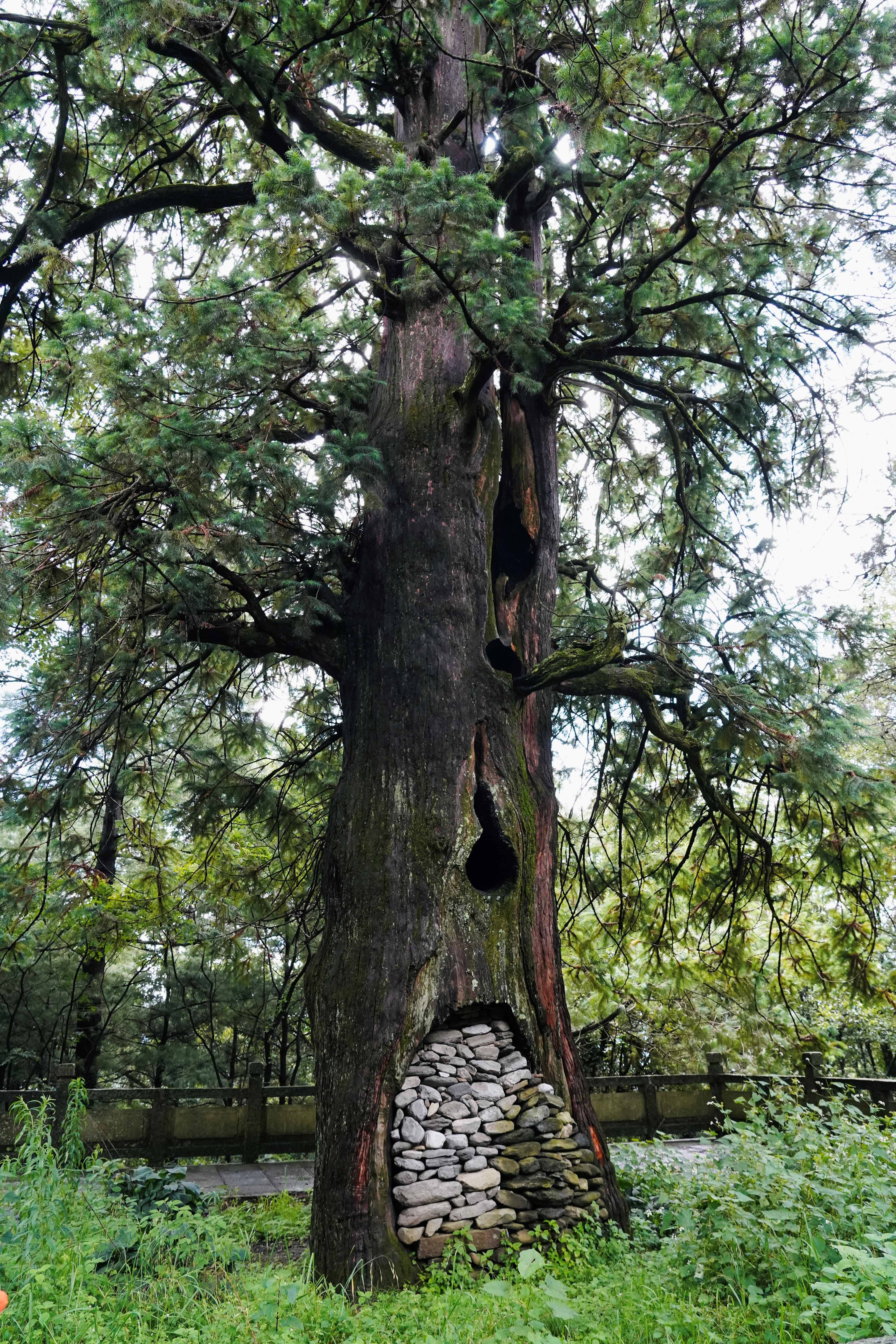
Unleash the Potential of High Gauge Knitted Stretch Fabrics: A Comprehensive Guide
Release time:
2024-08-21
Source:
Unleash the Potential of High Gauge Knitted Stretch Fabrics
Table of Contents
- 1. Introduction to High Gauge Knitted Stretch Fabrics
- 2. What Are High Gauge Knitted Stretch Fabrics?
- 3. Advantages of High Gauge Knitted Stretch Fabrics
- 4. Applications of High Gauge Knitted Stretch Fabrics
- 5. Trends in High Gauge Knitted Stretch Fabrics
- 6. How to Care for High Gauge Knitted Stretch Fabrics
- 7. Sustainability in High Gauge Knitted Stretch Fabrics
- 8. Frequently Asked Questions
- 9. Conclusion
1. Introduction to High Gauge Knitted Stretch Fabrics
High gauge knitted stretch fabrics are revolutionizing the textile industry, offering unmatched versatility and comfort for various applications. These fabrics are characterized by their fine gauge, allowing for a smoother texture and greater flexibility. As we delve deeper into the characteristics and advantages of these materials, it becomes clear why they are becoming a staple in modern fashion and functional wear.
2. What Are High Gauge Knitted Stretch Fabrics?
High gauge knitted stretch fabrics are produced using advanced knitting technology that incorporates a high number of stitches per inch. This results in a dense yet elastic material that provides excellent stretch and recovery. Typically made from synthetic fibers like nylon or polyester, these fabrics can also be blended with natural fibers, enhancing their properties.
2.1 Characteristics of High Gauge Knitted Stretch Fabrics
These fabrics have several distinguishing characteristics:
- **Elasticity:** The ability to stretch significantly while retaining their original shape.
- **Softness:** A smooth texture that feels comfortable against the skin.
- **Drape:** High gauge fabrics have a gorgeous drape, making them ideal for various garment styles.
- **Breathability:** Many high gauge knitted fabrics are breathable, promoting comfort during wear.
3. Advantages of High Gauge Knitted Stretch Fabrics
The benefits of high gauge knitted stretch fabrics are numerous, making them an ideal choice for both designers and consumers.
3.1 Comfort and Fit
The stretchability of these fabrics contributes to a snug fit that moves with the wearer, enhancing comfort levels significantly. This feature is particularly appreciated in activewear, where freedom of movement is essential.
3.2 Versatility in Design
High gauge knitted fabrics can be used in various applications, from casual wear to high-fashion pieces. Their ability to hold different shapes and styles allows designers to unleash their creativity.
3.3 Durability
These fabrics are known for their resilience, making them suitable for everyday wear. The high gauge construction reduces wear and tear, extending the lifespan of garments.
4. Applications of High Gauge Knitted Stretch Fabrics
High gauge knitted stretch fabrics find applications across a range of sectors, showcasing their versatility.
4.1 Fashion Industry
In the fashion world, these fabrics are often used to create form-fitting dresses, skirts, and tops that accentuate the body's silhouette. They are perfect for both casual and evening wear.
4.2 Activewear
The fitness apparel market benefits significantly from high gauge knitted stretch fabrics. Their moisture-wicking properties and elasticity make them ideal for yoga pants, sports bras, and other activewear.
4.3 Home Textiles
Beyond clothing, these fabrics are also utilized in the home textiles sector, for items such as cushion covers and bed linens, where a soft touch and durability are required.
5. Trends in High Gauge Knitted Stretch Fabrics
As the textile industry evolves, several trends are emerging within the realm of high gauge knitted stretch fabrics.
5.1 Sustainable Fabrics
The push towards sustainability is leading to the development of eco-friendly high gauge knitted stretch fabrics made from recycled materials or organic fibers. This trend is appealing to environmentally conscious consumers.
5.2 Innovative Designs
Fashion designers are experimenting with textures and patterns on high gauge knitted fabrics, creating unique visual effects that differentiate their collections.
5.3 Technological Integration
Advancements in textile technology are resulting in the creation of smart fabrics that can regulate temperature or monitor health metrics, further extending the functionality of high gauge knitted fabrics.
6. How to Care for High Gauge Knitted Stretch Fabrics
Caring for high gauge knitted stretch fabrics properly ensures their longevity and maintains their appearance.
6.1 Washing Instructions
- **Machine Wash:** Use cold water and a gentle cycle to prevent damage.
- **Hand Wash:** For delicate items, hand washing is recommended to avoid stretching out the fabric.
6.2 Drying Tips
- **Air Drying:** Lay flat or hang to dry, as high heat can cause shrinkage.
- **Avoid Dryer:** Do not tumble dry, as it may damage the elasticity of the fabric.
6.3 Ironing Guidelines
If ironing is necessary, use a low-temperature setting. Placing a cloth over the fabric can help protect it from direct heat.
7. Sustainability in High Gauge Knitted Stretch Fabrics
Sustainability has become a crucial aspect of fabric production, and high gauge knitted stretch fabrics are no exception.
7.1 Eco-Friendly Materials
Manufacturers are increasingly adopting organic cotton, recycled polyester, and other sustainable materials, minimizing their environmental impact.
7.2 Sustainable Production Practices
Brands are implementing practices such as water conservation and waste reduction during manufacturing, contributing to a more sustainable future.
7.3 Consumer Awareness
As consumers become more aware of sustainability issues, there is a rising demand for eco-friendly high gauge knitted stretch fabrics, influencing brands to adapt their offerings.
8. Frequently Asked Questions
8.1 What is the difference between high gauge and low gauge knitted fabrics?
High gauge fabrics have a finer stitch count, resulting in a smoother and more elastic material, while low gauge fabrics are thicker and less stretchy.
8.2 Can high gauge knitted stretch fabrics be used for outdoor clothing?
Yes, many high gauge knitted fabrics are designed with moisture-wicking and breathability features, making them suitable for outdoor clothing.
8.3 Are high gauge knitted stretch fabrics suitable for all body types?
Absolutely! The elasticity of these fabrics accommodates a wide range of body types, providing a comfortable fit for everyone.
8.4 How do I choose the right high gauge knitted fabric for my project?
Consider the intended use, desired stretch, and fabric weight to choose the appropriate high gauge knitted fabric for your project.
8.5 Where can I purchase high gauge knitted stretch fabrics?
High gauge knitted stretch fabrics are available at fabric stores, online retailers, and specialty textile suppliers.
9. Conclusion
High gauge knitted stretch fabrics represent a remarkable fusion of comfort, versatility, and functionality, making them a preferred choice in various applications. The ongoing trends towards sustainability and technological innovation promise to enhance their appeal for future generations. By understanding their characteristics and advantages, designers and consumers alike can unlock the full potential of these exceptional fabrics, paving the way for innovative creations that resonate with modern needs and values.
high gauge knitted stretch fabrics from china
Related News
2025-08-21 19:00
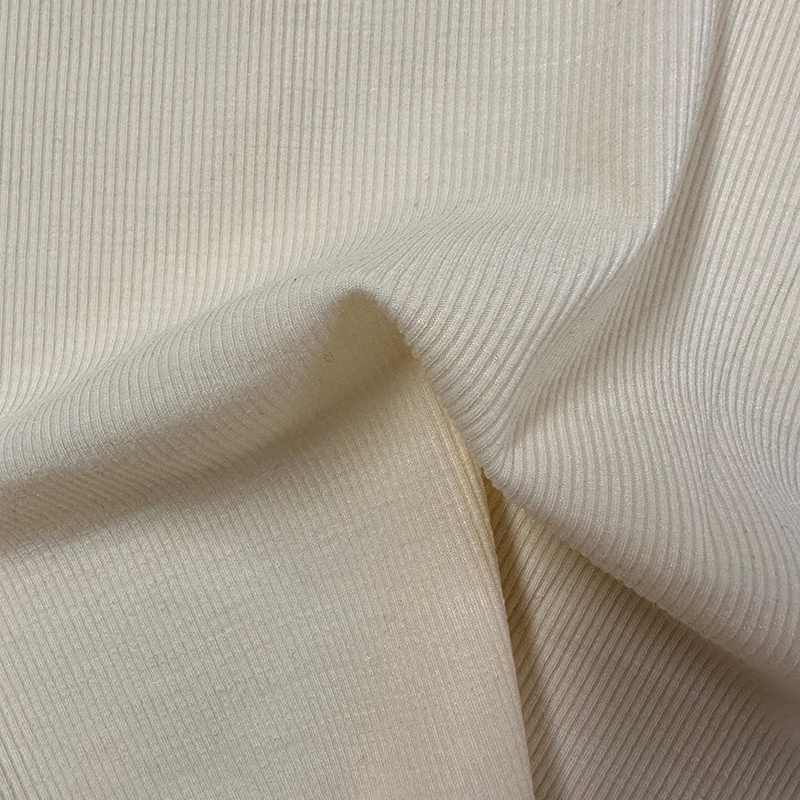
Why Nylon Wool Fabric is the Future of Sustainable Apparel
Why Nylon Wool Fabric is the Future of Sustainable Apparel Table of Contents 1. Introduction to Sustainable Apparel and Its Importance 2. Understanding Nylon Wool Fabric: A Comprehensive Overview 3. Environmental Benefits of Nylon Wool Fabric 3.1 Reduced Resource Consumption 3.2 Lower Carbon Footprint 4. Durability and Longevity: A Wise Investment 5. Versatility in Fashion Design 6. The Growing Po
2025-08-11 18:40
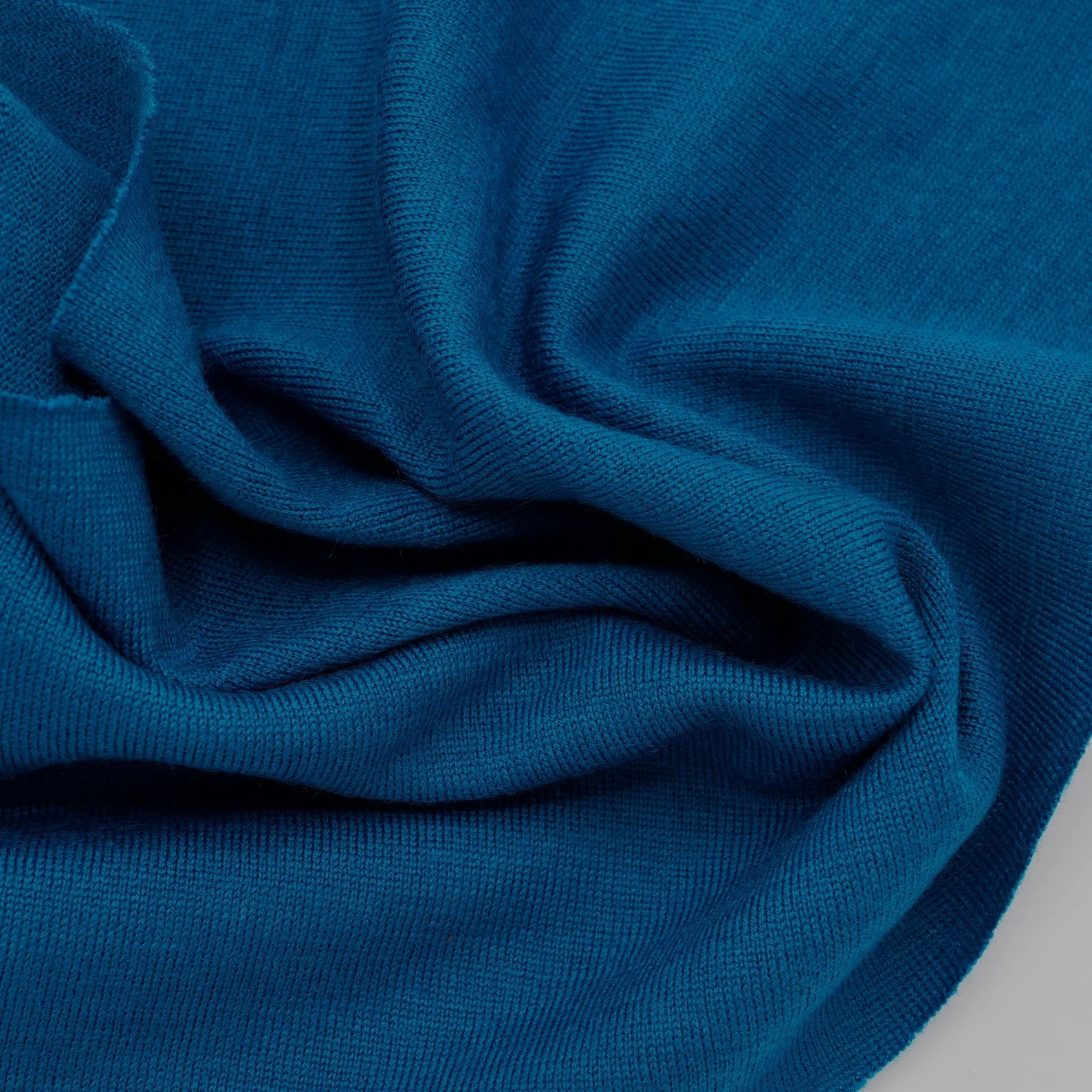
The Versatility and Benefits of Wool Fabric in Textile Industry
Wool fabric, derived from the fleece of sheep, is renowned for its unique properties that make it a highly sought-after material in the textile industry. Unlike synthetic fibers, wool is a natural fiber that possesses a range of advantages, contributing to its enduring popularity among designers and manufacturers. One of the most significant attributes of wool fabric is its excellent thermal regul