 Esperanto
 Shqiptare
 Euskara
 Zulu
Zulu
 Latinus
 Cymraeg
 தமிழ்
தமிழ்
 Slovak
 Slovak
 Afrikaans




Why Nylon Wool Fabric is the Future of Sustainable Apparel
Release time:
2025-08-21
Source:
Why Nylon Wool Fabric is the Future of Sustainable Apparel
Table of Contents
1. Introduction to Sustainable Apparel and Its Importance
2. Understanding Nylon Wool Fabric: A Comprehensive Overview
3. Environmental Benefits of Nylon Wool Fabric
3.1 Reduced Resource Consumption
3.2 Lower Carbon Footprint
4. Durability and Longevity: A Wise Investment
5. Versatility in Fashion Design
6. The Growing Popularity of Nylon Wool in Sustainable Fashion
7. Comparing Nylon Wool with Traditional Fabrics
7.1 Nylon Wool vs. Cotton
7.2 Nylon Wool vs. Traditional Wool
8. Frequently Asked Questions (FAQs)
9. Conclusion
1. Introduction to Sustainable Apparel and Its Importance
The fashion industry is undergoing a significant transformation as consumers become increasingly aware of the environmental impact of their choices. Sustainable apparel emphasizes the use of materials and production processes that minimize harm to the environment. This shift is crucial, as the fashion industry is one of the largest contributors to pollution and waste. Nylon wool fabric has emerged as a leading contender in this movement, presenting a sustainable alternative that addresses many of the industry's challenges.
2. Understanding Nylon Wool Fabric: A Comprehensive Overview
Nylon wool fabric is a unique blend of nylon and wool fibers, combining the best qualities of both materials. Nylon, known for its strength and elasticity, complements the natural warmth and breathability of wool, creating a fabric that is not only durable but also comfortable to wear. This fusion results in a textile that can withstand the rigors of daily use while providing the cozy feel that wool is renowned for.
3. Environmental Benefits of Nylon Wool Fabric
As the textile industry seeks to reduce its ecological footprint, nylon wool fabric stands out for its numerous environmental benefits.
3.1 Reduced Resource Consumption
Nylon wool fabric requires significantly less water than traditional cotton fabrics during the production process. Water scarcity is a pressing global issue, and by choosing nylon wool, manufacturers can help alleviate some of the strain on our most precious resource.
3.2 Lower Carbon Footprint
The production of nylon wool fabric has a considerably lower carbon footprint compared to conventional wool and cotton. This is due to the energy-efficient processes involved in creating nylon fibers and the lower emissions associated with their production. By opting for nylon wool, consumers can make a positive impact on climate change.
4. Durability and Longevity: A Wise Investment
Nylon wool fabric is not only sustainable but also incredibly durable. Its resilience means that garments made from this material can withstand wear and tear, leading to longer-lasting clothing. This durability translates to fewer replacements and less waste, making it an economical choice for consumers who value quality over quantity.
5. Versatility in Fashion Design
The versatility of nylon wool fabric allows designers to create a wide range of styles, from casual wear to high-end fashion. Its unique properties enable it to hold dyes well, resulting in vibrant colors that retain their beauty over time. This adaptability makes nylon wool a favored choice among fashion designers who are committed to sustainability without compromising on style.
6. The Growing Popularity of Nylon Wool in Sustainable Fashion
As awareness of environmental issues grows, the demand for sustainable fabrics like nylon wool is rising. Fashion brands are increasingly incorporating nylon wool into their collections, appealing to eco-conscious consumers. This trend highlights the fabric's potential to redefine the future of fashion, moving away from fast fashion models toward more sustainable practices.
7. Comparing Nylon Wool with Traditional Fabrics
Understanding how nylon wool compares to traditional fabrics is essential for making informed choices.
7.1 Nylon Wool vs. Cotton
While cotton has long been a staple in the fashion industry, it requires vast amounts of water and pesticides during its cultivation. In contrast, nylon wool fabric offers a more sustainable option, requiring fewer resources and producing less waste.
7.2 Nylon Wool vs. Traditional Wool
Traditional wool is known for its warmth, but it also has environmental drawbacks, such as land degradation and methane emissions from sheep. Nylon wool, on the other hand, provides the same warmth and comfort with a significantly reduced environmental impact, making it a superior choice for the eco-conscious consumer.
8. Frequently Asked Questions (FAQs)
What is nylon wool fabric made from?
Nylon wool fabric is a blend of nylon fibers and wool, combining the strength of synthetic material with the comfort of natural fibers.
Is nylon wool fabric sustainable?
Yes, nylon wool fabric is considered sustainable due to its lower resource consumption, reduced carbon footprint, and durability compared to traditional fabrics.
How does nylon wool compare to cotton in terms of sustainability?
Nylon wool fabric is generally more sustainable than cotton, as it requires less water and fewer pesticides during production.
What are the benefits of using nylon wool in fashion design?
Nylon wool's durability, vibrant color retention, and versatility make it an excellent choice for a wide range of fashion styles.
Why should consumers choose nylon wool over traditional wool?
Consumers should choose nylon wool because it provides similar warmth and comfort without the environmental drawbacks associated with traditional wool production.
9. Conclusion
Nylon wool fabric is poised to play a pivotal role in the future of sustainable apparel. With its numerous environmental benefits, durability, and versatility, it addresses the pressing challenges facing the fashion industry. As consumers increasingly prioritize sustainability in their purchasing decisions, nylon wool fabric is likely to become a staple in eco-friendly wardrobes. By choosing this innovative material, we not only invest in high-quality fashion but also contribute to a more sustainable future for our planet. Embracing nylon wool means embracing a more responsible and stylish approach to apparel.
nylon wool fabric
Related News
2025-08-21 19:00
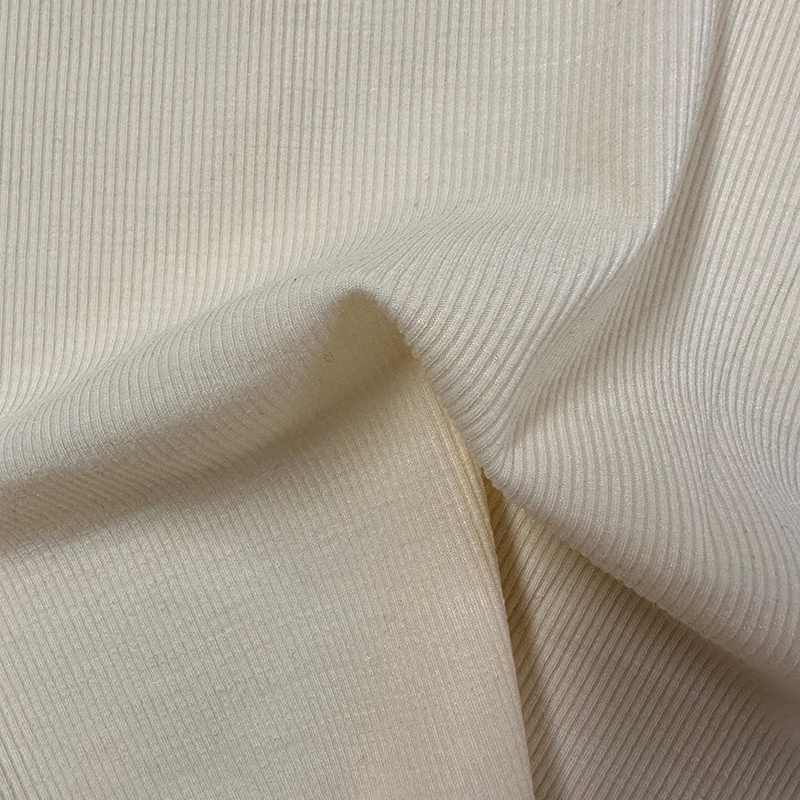
Why Nylon Wool Fabric is the Future of Sustainable Apparel
Why Nylon Wool Fabric is the Future of Sustainable Apparel Table of Contents 1. Introduction to Sustainable Apparel and Its Importance 2. Understanding Nylon Wool Fabric: A Comprehensive Overview 3. Environmental Benefits of Nylon Wool Fabric 3.1 Reduced Resource Consumption 3.2 Lower Carbon Footprint 4. Durability and Longevity: A Wise Investment 5. Versatility in Fashion Design 6. The Growing Po
2025-08-11 18:40
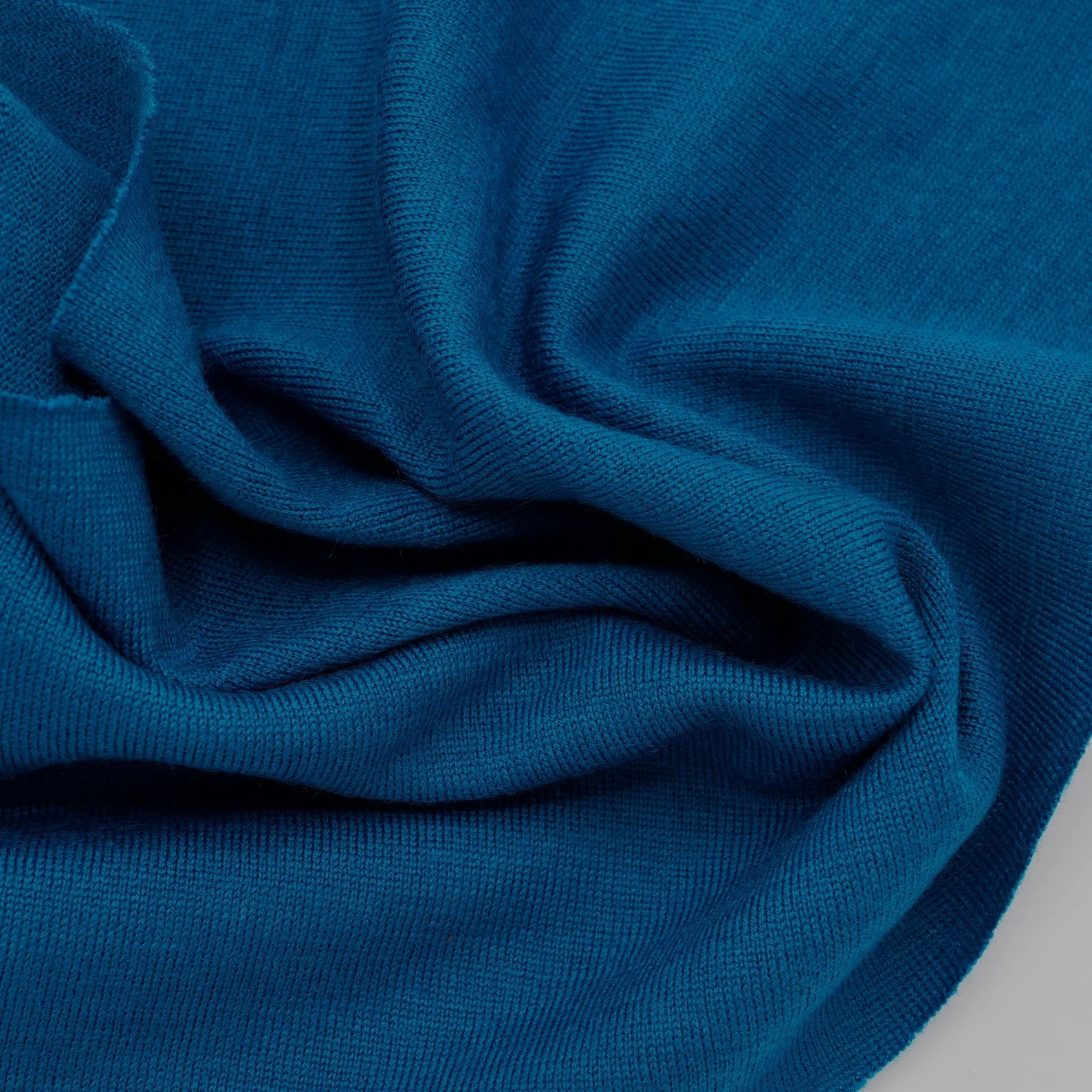
The Versatility and Benefits of Wool Fabric in Textile Industry
Wool fabric, derived from the fleece of sheep, is renowned for its unique properties that make it a highly sought-after material in the textile industry. Unlike synthetic fibers, wool is a natural fiber that possesses a range of advantages, contributing to its enduring popularity among designers and manufacturers. One of the most significant attributes of wool fabric is its excellent thermal regul