 Esperanto
 Shqiptare
 Euskara
 Zulu
Zulu
 Latinus
 Cymraeg
 தமிழ்
தமிழ்
 Slovak
 Slovak
 Afrikaans




Understanding 100% Merino Wool Fabric and Its CE Certification in the Textile Industry
Release time:
2024-12-10
Source:
One of the critical aspects of marketing textiles in today's global marketplace is compliance with safety and health standards. In Europe, CE certification is vital for ensuring that products meet specific safety requirements. Although CE marking is primarily associated with products like electronics and toys, it can also apply to textiles, particularly if they are used in certain applications, such as personal protective equipment (PPE).
When it comes to 100% Merino wool fabric, manufacturers may seek CE certification to highlight their commitment to safety and quality. This certification process involves rigorous testing and evaluation of the fabric to ensure it meets the necessary health, safety, and environmental criteria. By obtaining CE certification, companies can gain a competitive advantage, enhance their brand reputation, and ensure their products are acceptable in the European market.
Additionally, the sustainability of 100% Merino wool fabric cannot be overlooked. Merino wool is a renewable resource, and its production is generally more environmentally friendly compared to synthetic fibers. As consumer awareness of sustainability increases, offering CE-certified 100% Merino wool products can attract eco-conscious customers looking for responsible fashion choices.
Incorporating 100% Merino wool fabric into your product lines not only aligns with the growing trend towards natural and sustainable materials but also positions your brand as one that values quality and safety. By ensuring that your Merino wool products are CE certified, you underscore your dedication to these principles and broaden your market appeal.
Ultimately, understanding the dual significance of 100% Merino wool fabric and CE certification can empower textile professionals to innovate and meet the demands of modern consumers. By leveraging these elements, businesses can create standout products that resonate with both quality and compliance, setting the stage for lasting success in the competitive textile industry.
100% Merino Wool fabric ce certification
Related News
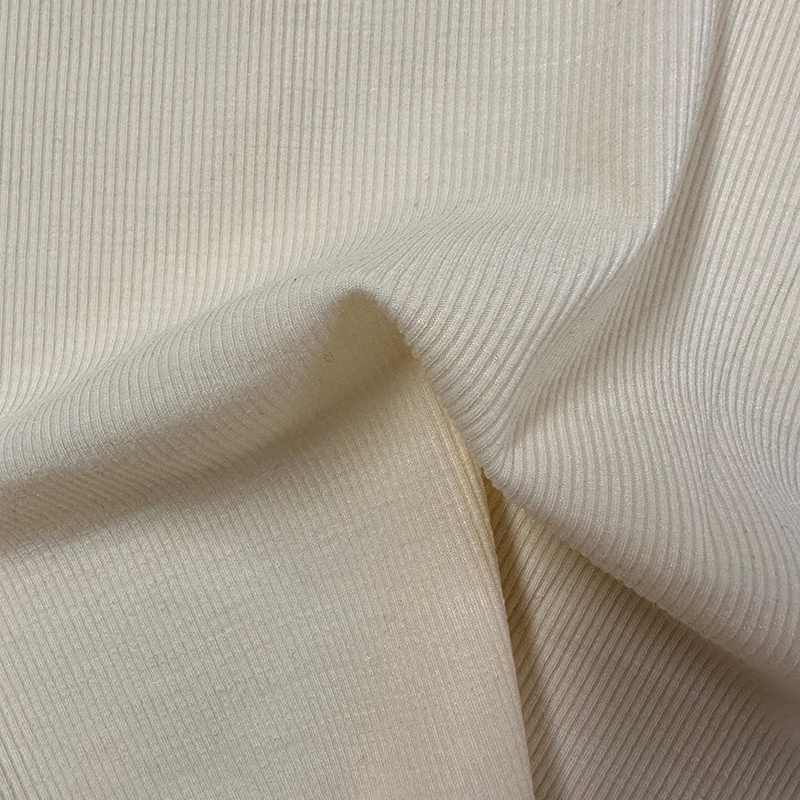
2025-08-21 19:00
Why Nylon Wool Fabric is the Future of Sustainable Apparel
Why Nylon Wool Fabric is the Future of Sustainable Apparel Table of Contents 1. Introduction to Sustainable Apparel and Its Importance 2. Understanding Nylon Wool Fabric: A Comprehensive Overview 3. Environmental Benefits of Nylon Wool Fabric 3.1 Reduced Resource Consumption 3.2 Lower Carbon Footprint 4. Durability and Longevity: A Wise Investment 5. Versatility in Fashion Design 6. The Growing Po
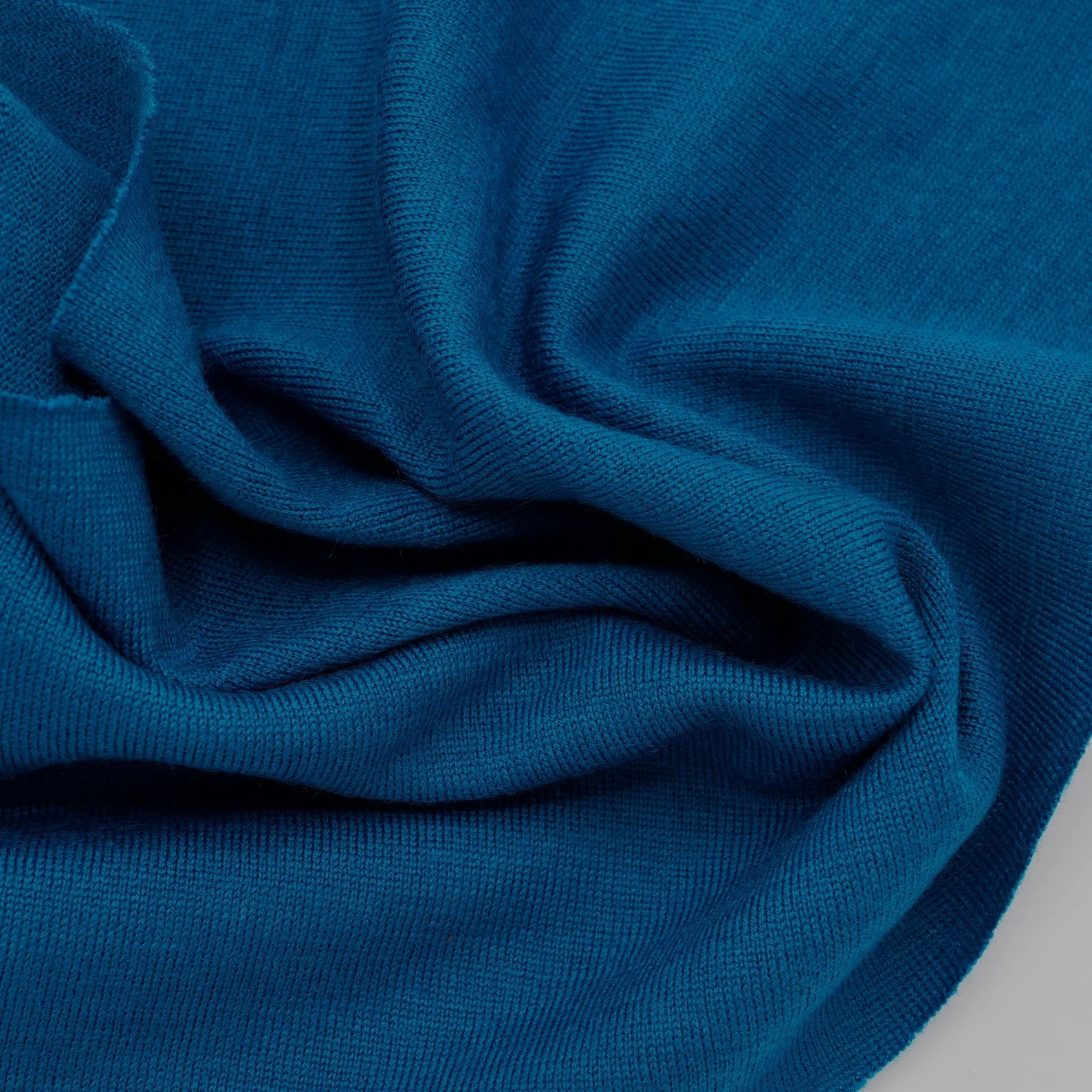
2025-08-11 18:40
The Versatility and Benefits of Wool Fabric in Textile Industry
Wool fabric, derived from the fleece of sheep, is renowned for its unique properties that make it a highly sought-after material in the textile industry. Unlike synthetic fibers, wool is a natural fiber that possesses a range of advantages, contributing to its enduring popularity among designers and manufacturers. One of the most significant attributes of wool fabric is its excellent thermal regul