 Esperanto
 Shqiptare
 Euskara
 Zulu
Zulu
 Latinus
 Cymraeg
 தமிழ்
தமிழ்
 Slovak
 Slovak
 Afrikaans



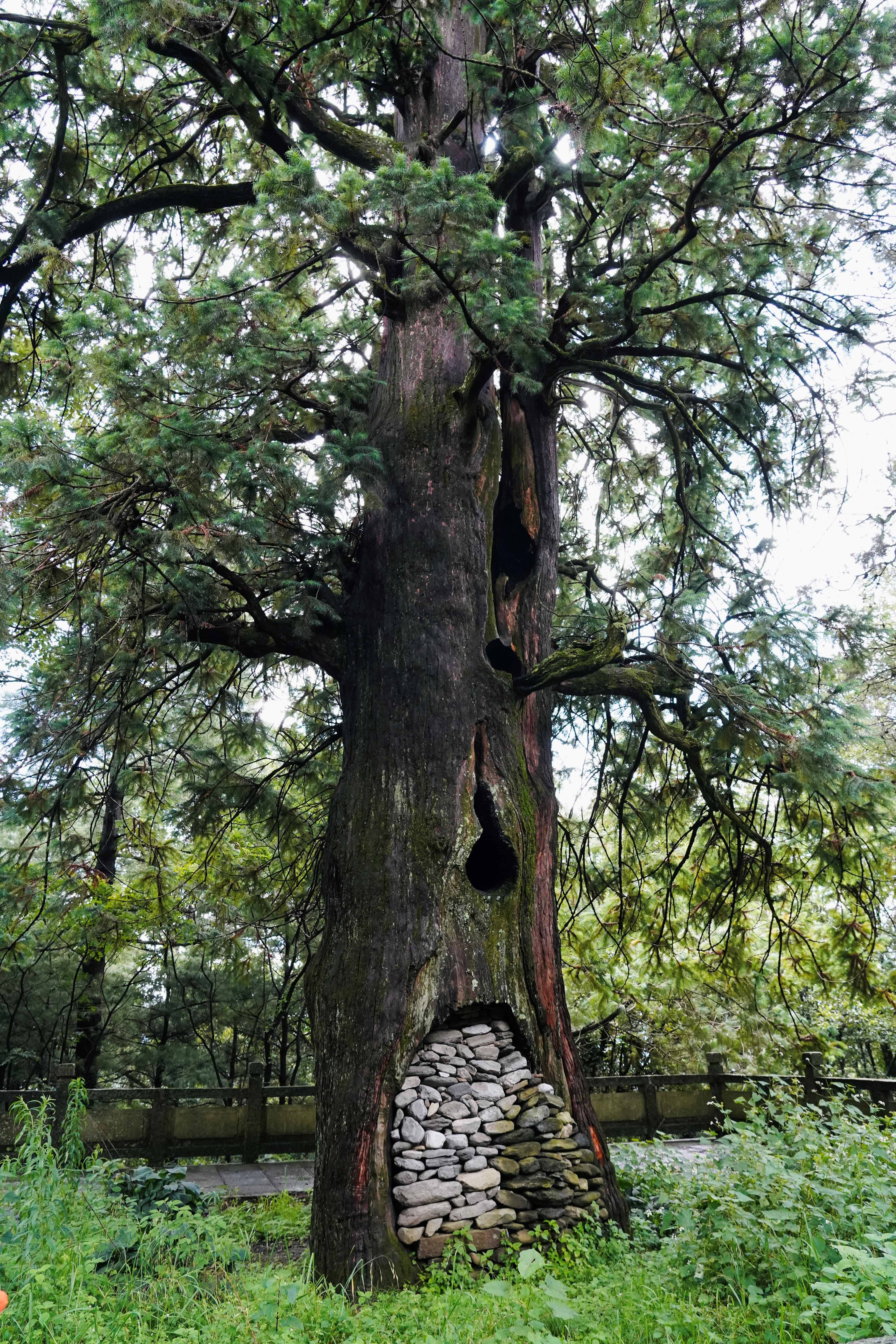
Understanding the Pricing Dynamics of 100% Merino Wool Fabric in the Textile Industry
Release time:
2024-12-12
Source:
When exploring the price of 100% Merino wool fabric, it is essential to recognize the unique characteristics that set this material apart in the textile industry. Merino wool is prized for its softness, breathability, and natural temperature regulation, making it a sought-after fabric for various applications, from high-end fashion to performance wear. However, the pricing of 100% Merino wool fabric is influenced by several factors that industry professionals should consider.
One of the primary determinants of price is the quality of the wool itself. Merino sheep, primarily raised in Australia and New Zealand, produce wool that varies in fineness and length. Finer and longer fibers tend to command higher prices due to their desirable properties. Additionally, sustainable farming practices and ethical sourcing can further affect the cost, as more consumers demand transparency and responsibility in their fabric supply chains.
Another crucial factor is the processing and production methods used to create the fabric. 100% Merino wool undergoes several stages, from shearing to washing, carding, spinning, and weaving. Each of these processes incurs costs, and innovations or improvements in production techniques can either increase efficiency or enhance the fabric's quality, possibly impacting its price.
Market demand also plays a critical role in pricing dynamics. As trends in fashion shift towards sustainable and natural materials, the demand for 100% Merino wool fabric has surged. This increased interest can lead to higher prices, particularly during peak seasons when manufacturers and retailers are sourcing inventory. Moreover, the global economic climate, including trade policies and supply chain disruptions, can impact availability and pricing.
When considering the cost of 100% Merino wool fabric, businesses must also evaluate their target market. Understanding the consumer's willingness to pay for high-quality wool products allows for more strategic pricing models. For example, brands positioned in luxury segments may justify premium pricing through branding and exceptional customer experiences.
In summary, the pricing of 100% Merino wool fabric is influenced by quality, production methods, market demand, and consumer behavior. By comprehensively analyzing these factors, professionals in the textile industry can better position themselves in the market, ensuring that they make informed decisions regarding sourcing and pricing strategies. Whether you are developing a new product line or assessing existing offerings, understanding the nuances of Merino wool pricing will be invaluable in navigating the competitive landscape of textile business.
100% Merino Wool fabric price
Related News
2025-08-21 19:00
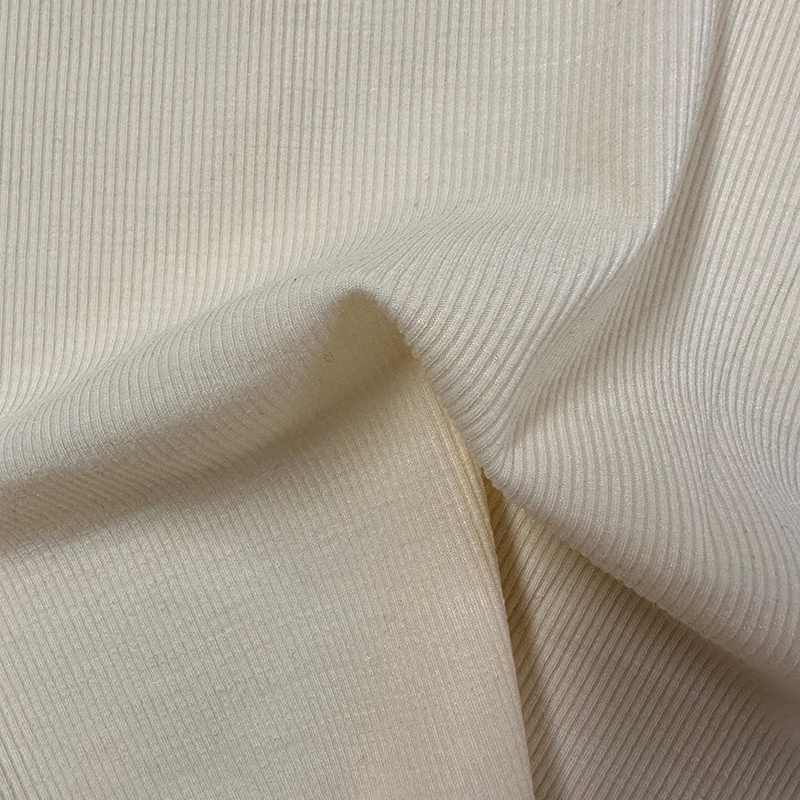
Why Nylon Wool Fabric is the Future of Sustainable Apparel
Why Nylon Wool Fabric is the Future of Sustainable Apparel Table of Contents 1. Introduction to Sustainable Apparel and Its Importance 2. Understanding Nylon Wool Fabric: A Comprehensive Overview 3. Environmental Benefits of Nylon Wool Fabric 3.1 Reduced Resource Consumption 3.2 Lower Carbon Footprint 4. Durability and Longevity: A Wise Investment 5. Versatility in Fashion Design 6. The Growing Po
2025-08-11 18:40
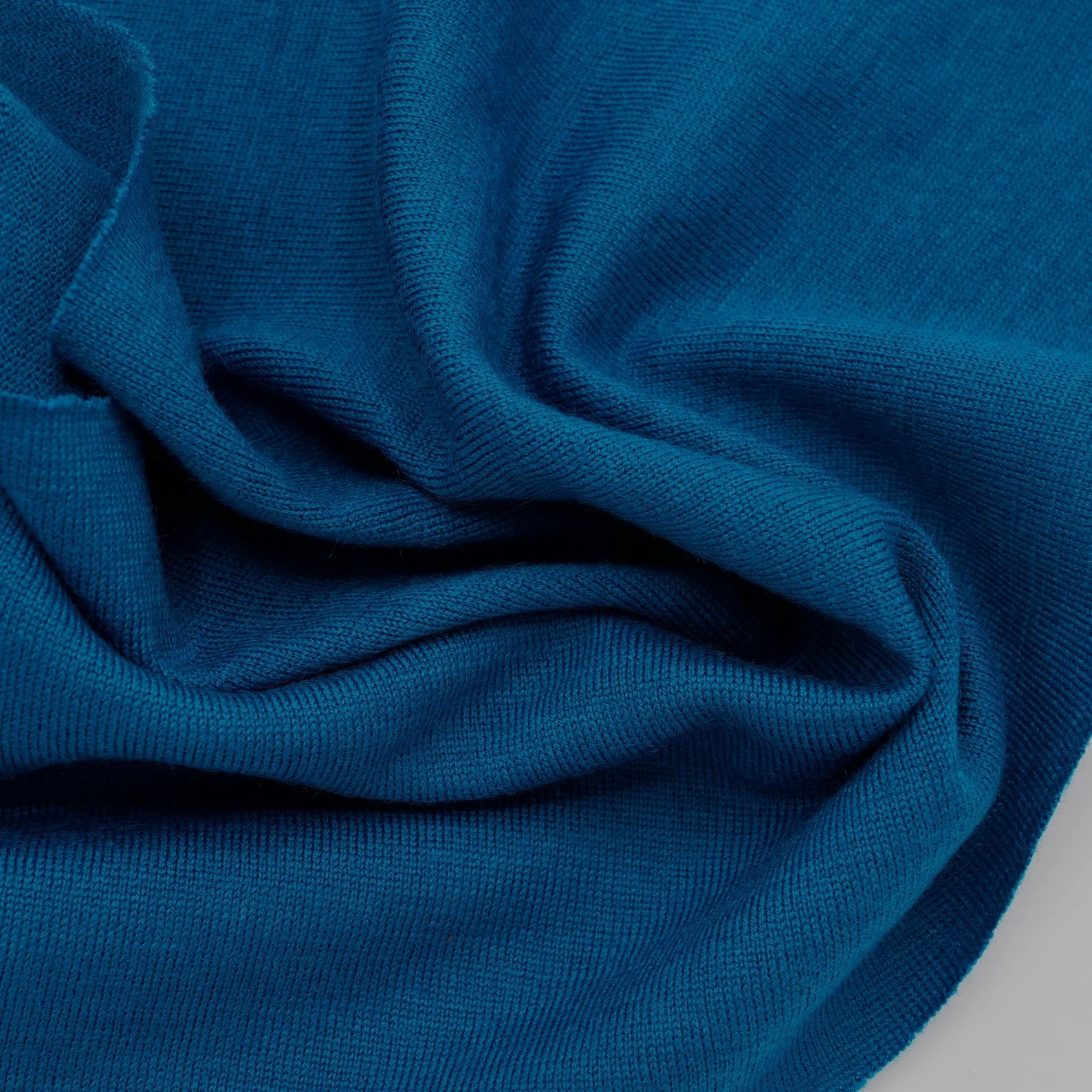
The Versatility and Benefits of Wool Fabric in Textile Industry
Wool fabric, derived from the fleece of sheep, is renowned for its unique properties that make it a highly sought-after material in the textile industry. Unlike synthetic fibers, wool is a natural fiber that possesses a range of advantages, contributing to its enduring popularity among designers and manufacturers. One of the most significant attributes of wool fabric is its excellent thermal regul