 Esperanto
 Shqiptare
 Euskara
 Zulu
Zulu
 Latinus
 Cymraeg
 தமிழ்
தமிழ்
 Slovak
 Slovak
 Afrikaans




Navigating the World of Performance Fabric Clothing: A Guide for Professionals in Wool Textile Industry
Release time:
2025-01-03
Source:
Performance fabric clothing has become a focal point in the textile industry, especially for professionals involved in wool textiles. Understanding the nuances of performance fabrics can provide substantial advantages, whether you are a manufacturer, designer, or retailer. Performance fabrics are engineered to enhance functionality while maintaining aesthetic appeal, offering characteristics such as moisture-wicking, breathability, durability, and stretch. These attributes make them ideal for a variety of applications, from outdoor sportswear to high-end casual attire.
One of the foundational aspects of performance fabrics is their ability to manage moisture. This is particularly crucial for outdoor enthusiasts and athletes who require clothing that keeps them dry during intense physical activities. Wool, known for its natural moisture-wicking properties, can be enhanced with performance fabric technologies to create garments that not only repel water but also dry quickly. This synergy between wool and synthetic performance fabrics can lead to innovative product lines that attract a broader audience.
Additionally, breathability is another significant factor that characterizes performance fabric clothing. As professionals in the wool textile industry, understanding how to blend natural fibers with advanced technologies can result in garments that offer comfort in various climates. For instance, employing a combination of merino wool and synthetic fibers can help regulate body temperature, making it suitable for both warm and cool weather.
Durability is also a critical consideration. Performance fabrics are designed to withstand wear and tear, which is essential for those in demanding environments. By utilizing advanced weaving techniques and finishes, wool textiles can be transformed into high-performance clothing that retains its structure and appearance over time. This durability not only increases customer satisfaction but also enhances the brand reputation.
Moreover, the flexibility of performance fabrics allows for innovative designs that can cater to a diversified market. Stretchable materials can be blended with wool to create form-fitting yet comfortable clothing options. This feature is particularly appealing in today's fashion landscape, where consumers seek both style and functionality.
Incorporating performance fabrics into wool clothing lines also presents marketing opportunities. With a growing consumer focus on sustainability, emphasizing the natural benefits of wool alongside the technological advancements of performance fabrics can resonate with eco-conscious buyers. Highlighting the sustainability aspects, such as the biodegradability of wool and the longevity of performance-enhanced garments, can differentiate your products in a saturated market.
In conclusion, embracing the integration of performance fabric clothing within the wool textile sector can be a game-changer for professionals seeking to innovate and expand their offerings. By focusing on moisture management, breathability, durability, and style, your product line can stand out, appealing to a wider range of consumers while meeting the demands of modern lifestyles.
performance fabric clothing
Related News
2025-08-21 19:00
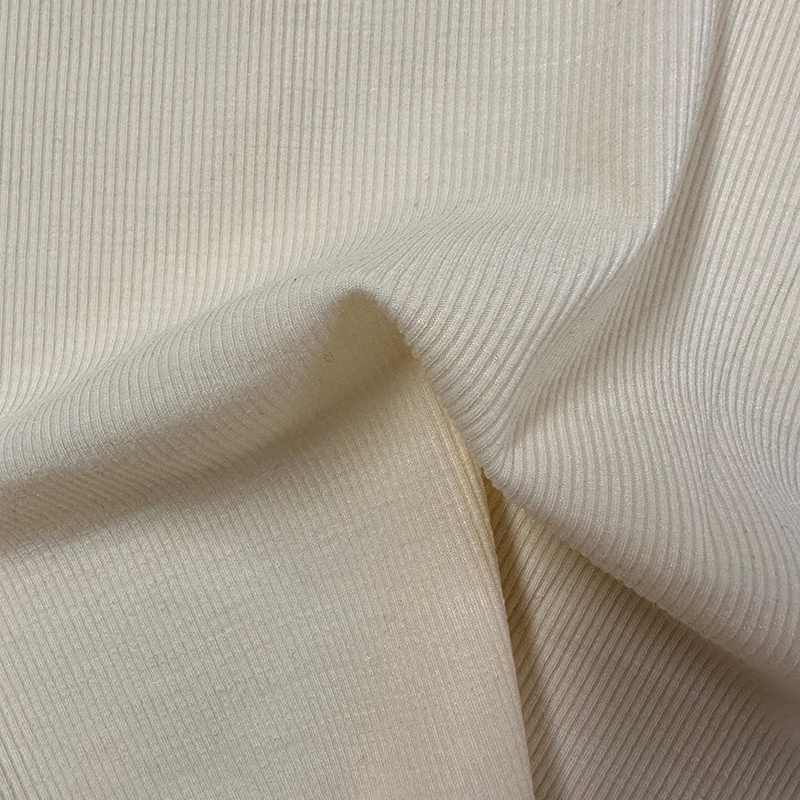
Why Nylon Wool Fabric is the Future of Sustainable Apparel
Why Nylon Wool Fabric is the Future of Sustainable Apparel Table of Contents 1. Introduction to Sustainable Apparel and Its Importance 2. Understanding Nylon Wool Fabric: A Comprehensive Overview 3. Environmental Benefits of Nylon Wool Fabric 3.1 Reduced Resource Consumption 3.2 Lower Carbon Footprint 4. Durability and Longevity: A Wise Investment 5. Versatility in Fashion Design 6. The Growing Po
2025-08-11 18:40
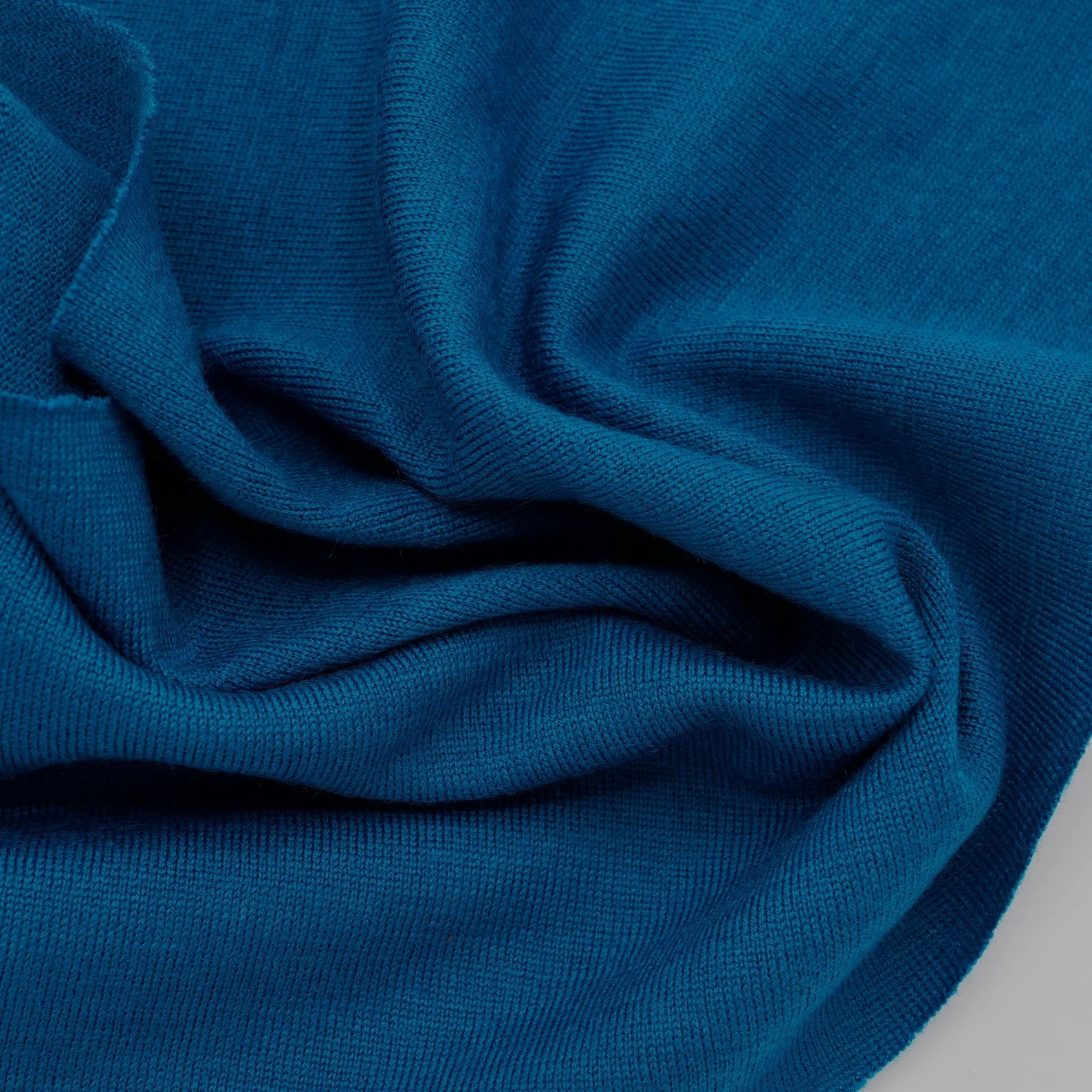
The Versatility and Benefits of Wool Fabric in Textile Industry
Wool fabric, derived from the fleece of sheep, is renowned for its unique properties that make it a highly sought-after material in the textile industry. Unlike synthetic fibers, wool is a natural fiber that possesses a range of advantages, contributing to its enduring popularity among designers and manufacturers. One of the most significant attributes of wool fabric is its excellent thermal regul