 Esperanto
 Shqiptare
 Euskara
 Zulu
Zulu
 Latinus
 Cymraeg
 தமிழ்
தமிழ்
 Slovak
 Slovak
 Afrikaans




Discover the Unmatched Advantages of Polyester Fabric for Your Clothing Supply Needs
Release time:
2025-03-02
Source:
Discover the Unmatched Advantages of Polyester Fabric for Your Clothing Supply Needs
In the ever-evolving world of fashion and clothing production, choosing the right fabric is pivotal. One fabric that stands out due to its numerous benefits is polyester. As we delve into the advantages of polyester fabric, we will uncover why it is a preferred choice for clothing supply manufacturers and brands alike.
Table of Contents
- 1. Introduction to Polyester Fabric
- 2. Advantages of Polyester Fabric
- 2.1 Exceptional Durability
- 2.2 Versatility in Design
- 2.3 Cost-Effectiveness
- 2.4 Eco-Friendliness and Sustainability
- 3. Applications of Polyester Fabric in Clothing
- 4. Care Instructions for Polyester Fabrics
- 5. Frequently Asked Questions
- 6. Conclusion
1. Introduction to Polyester Fabric
Polyester fabric, composed primarily of polyethylene terephthalate (PET), has become a staple in the clothing industry due to its unique properties. Invented in the early 20th century, polyester has undergone significant advancements, leading to innovative applications in various sectors, particularly in fashion. Understanding the benefits of polyester is crucial for manufacturers, designers, and consumers alike.
2. Advantages of Polyester Fabric
2.1 Exceptional Durability
One of the most significant benefits of polyester fabric is its exceptional durability. Unlike natural fibers, polyester is resistant to wear and tear, making it an ideal choice for clothing that needs to endure the rigors of daily use. It is highly resistant to stretching, shrinking, and wrinkling, ensuring that garments maintain their shape and appearance over time. This durability translates to longer-lasting products, reducing the need for frequent replacements, which is a win for both consumers and manufacturers.
2.2 Versatility in Design
Polyester fabric is incredibly versatile, making it suitable for a range of clothing styles and designs. It can be blended with other materials, such as cotton or wool, enhancing its properties for specific applications. This adaptability allows designers to create everything from casual wear to high-fashion pieces, catering to diverse consumer preferences. Furthermore, polyester can easily be dyed in vibrant colors and patterns, making it a favorite in the fast-paced fashion industry.
2.3 Cost-Effectiveness
Another advantage of polyester fabric is its cost-effectiveness. The production process for polyester is generally more efficient, leading to lower manufacturing costs compared to many natural fibers. This affordability does not compromise quality; instead, it enables manufacturers to offer high-quality products at competitive prices. Furthermore, the durability of polyester means that consumers can invest in clothing that lasts, providing excellent value for money.
2.4 Eco-Friendliness and Sustainability
In recent years, the fashion industry has faced increasing scrutiny regarding environmental impact. Polyester fabric is making strides in eco-friendliness and sustainability. Advances in recycling technologies have led to the creation of recycled polyester, made from post-consumer plastic bottles. This innovation reduces waste and promotes sustainable practices within the industry. Additionally, polyester’s durability contributes to less waste, as garments made from this fabric do not need to be replaced as frequently.
3. Applications of Polyester Fabric in Clothing
The applications of polyester fabric in clothing are vast, showcasing its adaptability and suitability for various fashion segments. Let’s explore some of the key areas where polyester is making an impact.
3.1 Polyester in Activewear
Polyester is a popular choice for activewear due to its moisture-wicking properties. This capability allows sweat to be drawn away from the body, keeping athletes cool and comfortable during their workouts. Additionally, the fabric’s stretchability and lightweight nature make it ideal for sports and fitness activities. Brands that focus on performance apparel often use polyester blends to ensure their products meet the demands of active consumers.
3.2 Polyester in Casual Wear
In the realm of casual wear, polyester fabric shines as a practical choice for everyday clothing. From t-shirts to trousers, polyester offers comfort and ease of care, making it a favorite among consumers looking for low-maintenance options. Its ability to hold dyes well means that casual clothing can come in a wide array of colors and patterns, appealing to diverse fashion tastes.
3.3 Polyester in Formal Wear
Surprisingly, polyester also finds its place in formal wear. Many modern suits and dresses now incorporate polyester fabric due to its elegant drape and ability to resist wrinkling. This quality ensures that garments maintain a polished appearance throughout the day. Moreover, polyester blends can mimic the luxurious feel of natural fibers while providing the durability and affordability that consumers seek.
4. Care Instructions for Polyester Fabrics
- Machine Wash: Polyester can typically be machine washed using cold or warm water. Avoid hot water to prevent damage.
- Use Mild Detergents: Opt for mild detergents to avoid harsh chemicals that can degrade the fabric.
- Avoid Bleach: Do not use bleach, as it can discolor and weaken polyester fibers.
- Tumble Dry Low: Polyester can be tumble dried on low heat, but air drying is recommended to preserve the fabric’s quality.
- Iron on Low: If ironing is necessary, use a low heat setting to prevent melting the fibers.
5. Frequently Asked Questions
1. Is polyester fabric breathable?
Yes, polyester fabric has moisture-wicking properties that help keep the skin dry, making it relatively breathable compared to other synthetic fabrics.
2. Can polyester be recycled?
Yes, polyester is highly recyclable. Recycled polyester is produced from post-consumer plastic, contributing to sustainability efforts in the fashion industry.
3. Is polyester suitable for sensitive skin?
Generally, polyester is safe for most skin types. However, those with sensitive skin may want to avoid garments with high polyester blends and opt for softer, natural fibers.
4. How does polyester compare to cotton in terms of durability?
Polyester is often more durable than cotton, as it is resistant to stretching, shrinking, and wrinkling. This makes polyester garments last longer in wear and tear conditions.
5. Can polyester be used in high-end fashion?
Absolutely! Many high-end fashion brands use polyester blends to create luxurious garments that offer both style and durability.
6. Conclusion
In conclusion, polyester fabric presents numerous advantages that make it an exceptional choice for clothing supply. From its remarkable durability and cost-effectiveness to its versatility and eco-friendliness, polyester meets the diverse needs of manufacturers and consumers alike. As the fashion industry continues to evolve, embracing innovative materials like polyester will be crucial for creating functional, stylish, and sustainable clothing options. By understanding the benefits of polyester fabric, we can make informed choices that align with our values and lifestyle.
polyester fabric for clothing supply
Related News
2025-08-21 19:00
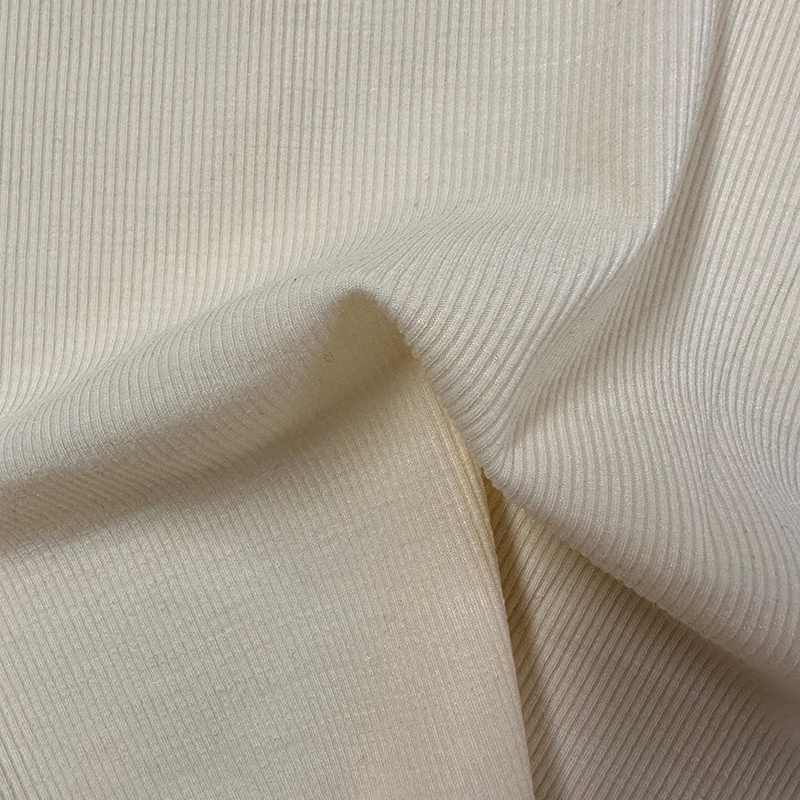
Why Nylon Wool Fabric is the Future of Sustainable Apparel
Why Nylon Wool Fabric is the Future of Sustainable Apparel Table of Contents 1. Introduction to Sustainable Apparel and Its Importance 2. Understanding Nylon Wool Fabric: A Comprehensive Overview 3. Environmental Benefits of Nylon Wool Fabric 3.1 Reduced Resource Consumption 3.2 Lower Carbon Footprint 4. Durability and Longevity: A Wise Investment 5. Versatility in Fashion Design 6. The Growing Po
2025-08-11 18:40
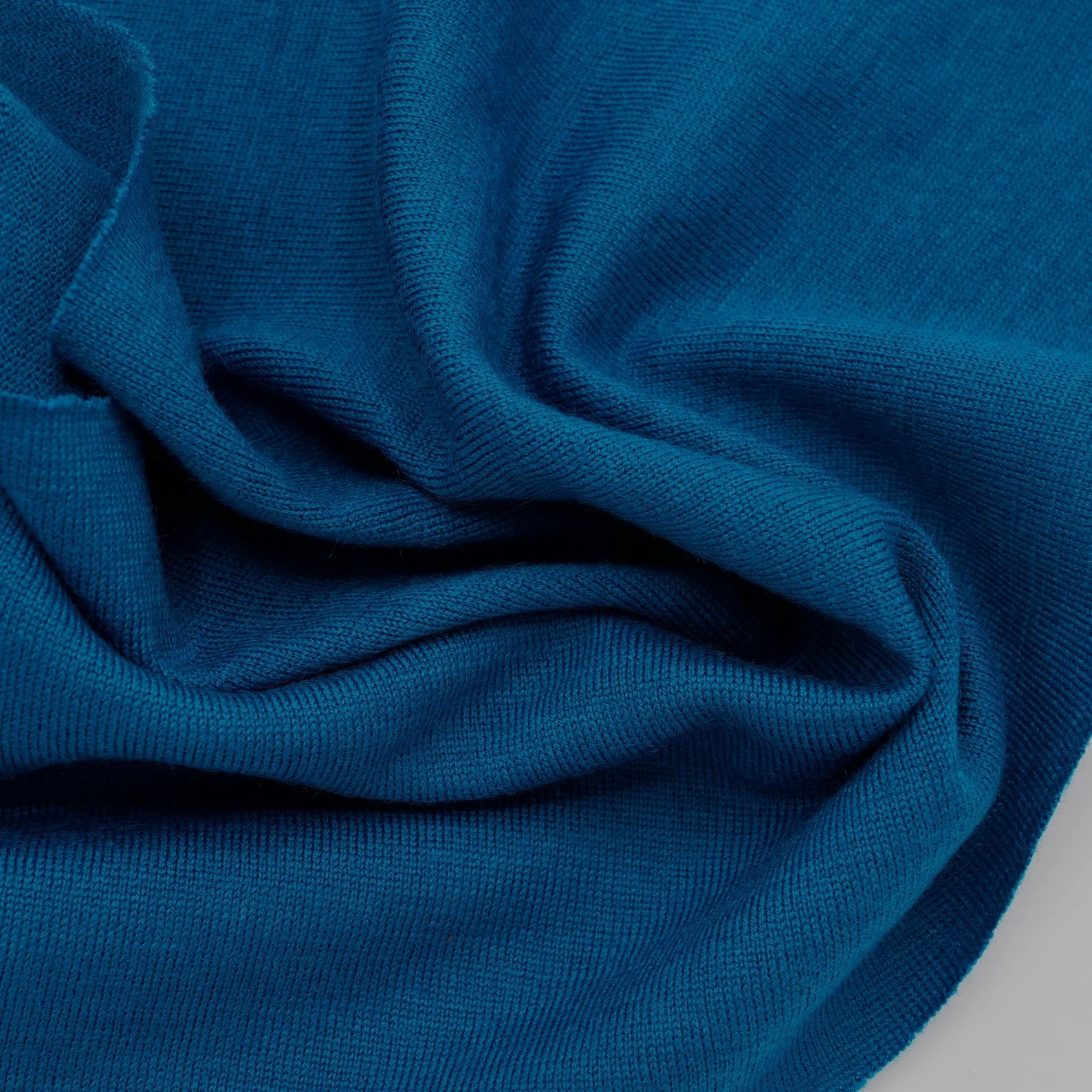
The Versatility and Benefits of Wool Fabric in Textile Industry
Wool fabric, derived from the fleece of sheep, is renowned for its unique properties that make it a highly sought-after material in the textile industry. Unlike synthetic fibers, wool is a natural fiber that possesses a range of advantages, contributing to its enduring popularity among designers and manufacturers. One of the most significant attributes of wool fabric is its excellent thermal regul