 Esperanto
 Shqiptare
 Euskara
 Zulu
Zulu
 Latinus
 Cymraeg
 தமிழ்
தமிழ்
 Slovak
 Slovak
 Afrikaans




Exploring the Unique Qualities of Silk Wool Fabric: A Versatile Textile for Modern Needs
Release time:
2025-05-03
Source:
One of the most notable qualities of silk wool fabric is its remarkable softness. The silk component provides a smooth texture that feels gentle against the skin, while the wool adds a degree of warmth and comfort. This makes silk wool an ideal choice for clothing items such as scarves, sweaters, and shawls, where comfort is paramount. The luxurious feel of silk wool fabric can elevate everyday wear into something special, making it suitable for both casual and formal occasions.
In addition to its softness, silk wool fabric is known for its excellent thermal regulation properties. Wool is a natural insulator, capable of retaining heat while also allowing moisture to escape. This dual functionality means that garments made from silk wool can help regulate body temperature, keeping the wearer warm in cooler conditions and cool when it’s warmer. This makes it a popular choice for transitional seasons and varying climates, providing versatility in any wardrobe.
Another significant advantage of silk wool fabric is its durability. Wool fibers are inherently strong and resilient, which adds to the longevity of products made from this textile. When combined with silk, the result is a fabric that not only looks elegant but can withstand the rigors of everyday use. This durability means that silk wool garments can be enjoyed for years, making them a sustainable choice in the textile industry.
Moreover, silk wool fabric is naturally resistant to wrinkles and creases, making it low-maintenance compared to other textiles. This characteristic is particularly beneficial for travelers or those with busy lifestyles, as it allows for easy packing and less time spent on ironing. The ease of care further enhances the appeal of silk wool fabric, making it a practical choice for many consumers.
In terms of environmental impact, silk wool is often considered a more sustainable option than synthetic alternatives. Both silk and wool are renewable resources, and when sourced responsibly, they can contribute to a more eco-friendly textile industry.
In summary, silk wool fabric is a unique and versatile textile that merges the luxurious qualities of silk with the functional benefits of wool. Its softness, thermal regulation, durability, and ease of care make it an excellent choice for various applications, from clothing to accessories. As consumers continue to seek sustainable and high-quality materials, silk wool fabric stands out as a remarkable option that meets modern needs while offering timeless elegance.
silk wool fabric
Related News
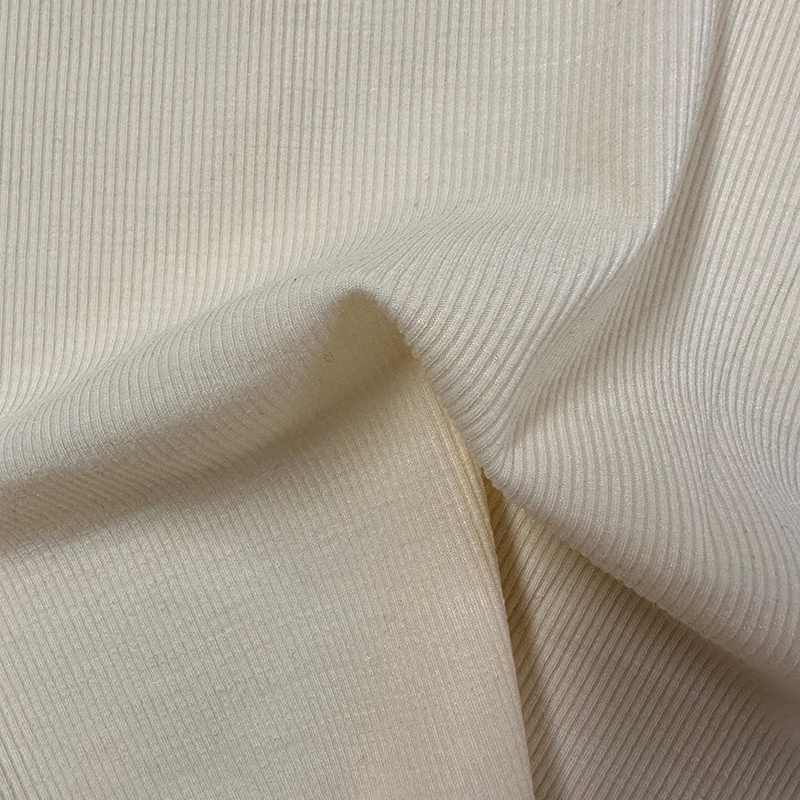
2025-08-21 19:00
Why Nylon Wool Fabric is the Future of Sustainable Apparel
Why Nylon Wool Fabric is the Future of Sustainable Apparel Table of Contents 1. Introduction to Sustainable Apparel and Its Importance 2. Understanding Nylon Wool Fabric: A Comprehensive Overview 3. Environmental Benefits of Nylon Wool Fabric 3.1 Reduced Resource Consumption 3.2 Lower Carbon Footprint 4. Durability and Longevity: A Wise Investment 5. Versatility in Fashion Design 6. The Growing Po
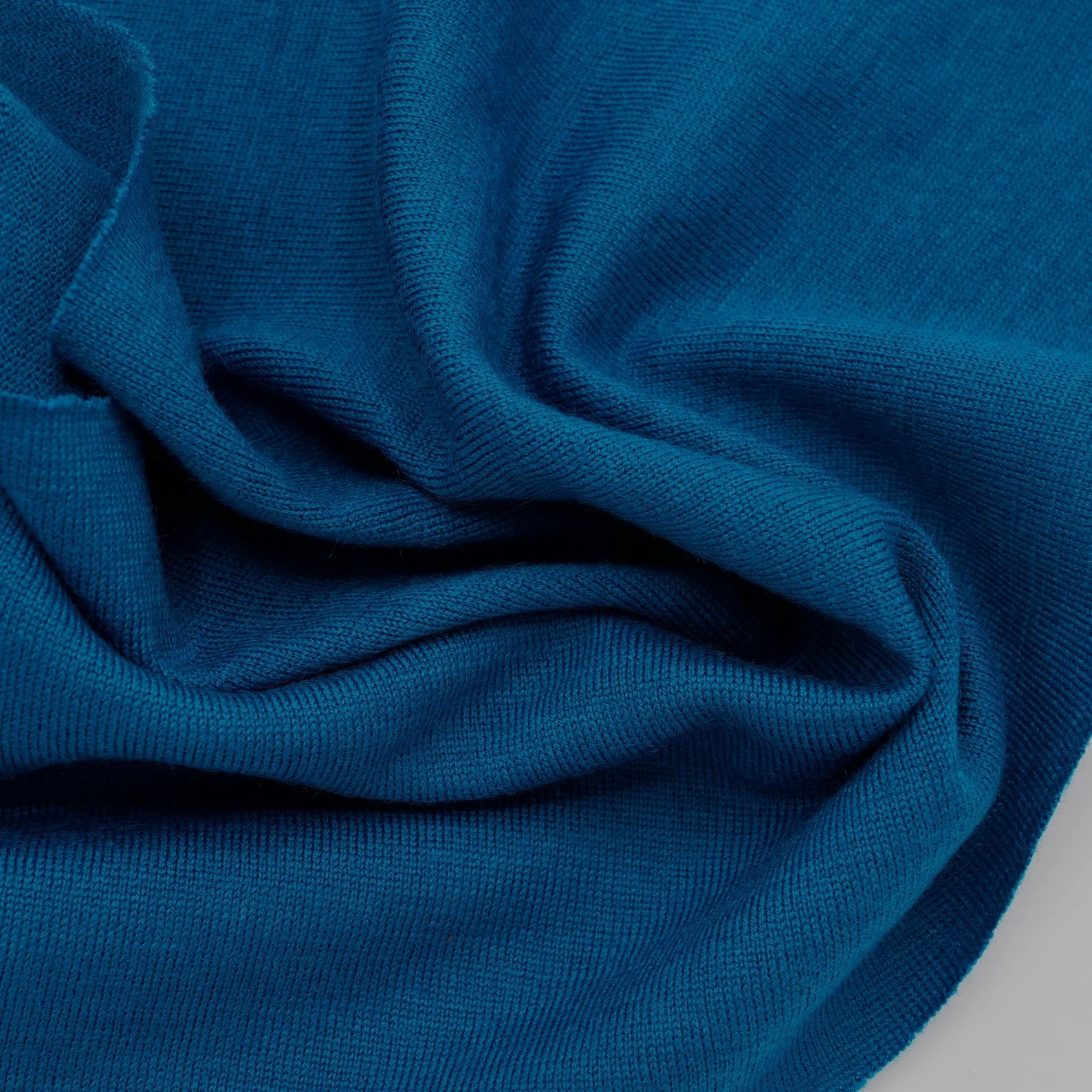
2025-08-11 18:40
The Versatility and Benefits of Wool Fabric in Textile Industry
Wool fabric, derived from the fleece of sheep, is renowned for its unique properties that make it a highly sought-after material in the textile industry. Unlike synthetic fibers, wool is a natural fiber that possesses a range of advantages, contributing to its enduring popularity among designers and manufacturers. One of the most significant attributes of wool fabric is its excellent thermal regul