 Esperanto
 Shqiptare
 Euskara
 Zulu
Zulu
 Latinus
 Cymraeg
 தமிழ்
தமிழ்
 Slovak
 Slovak
 Afrikaans



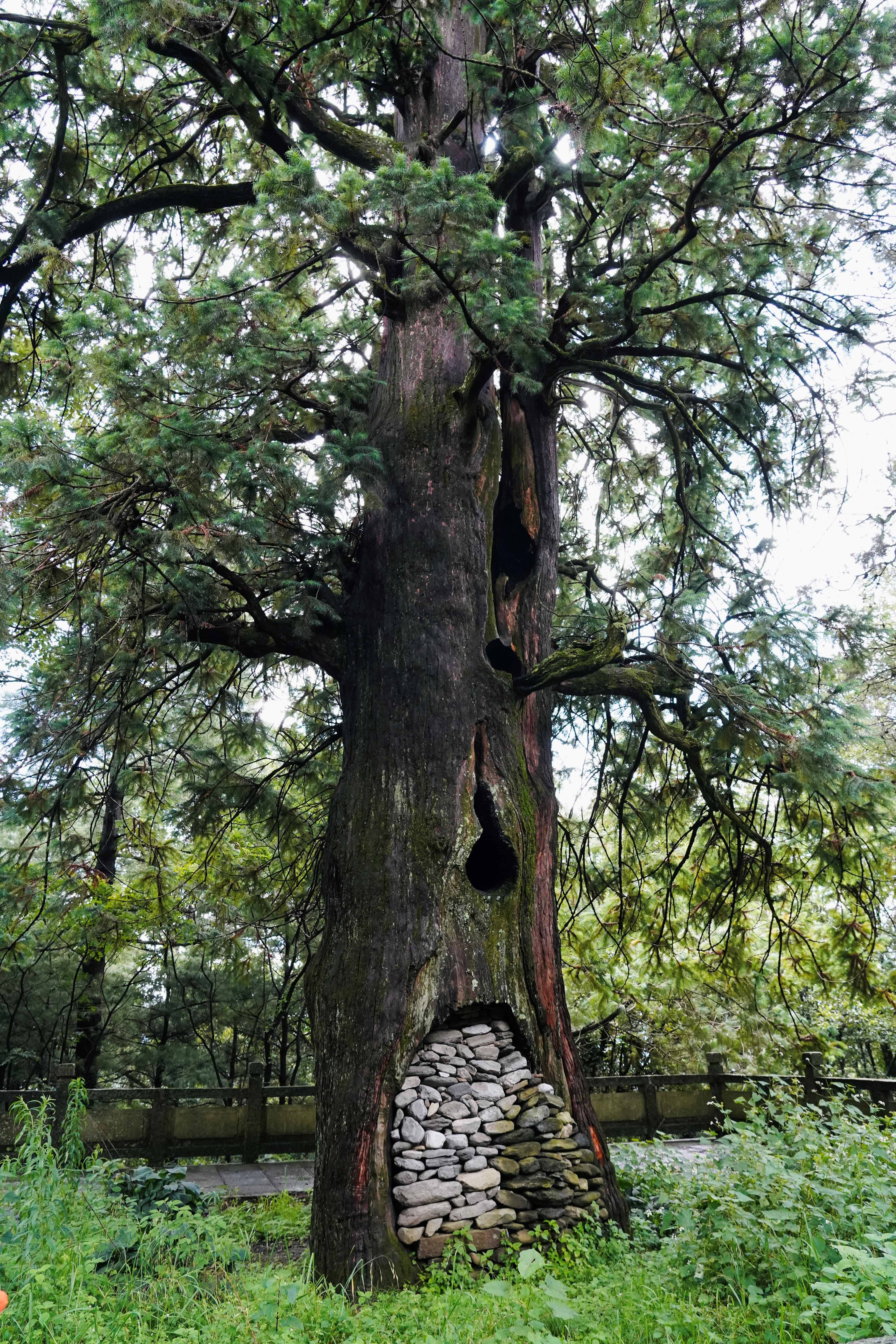
Exploring the Benefits and Applications of Wool Insulation Fabric
Release time:
2025-07-26
Source:
Moreover, wool has innate moisture-wicking properties. It can absorb up to 30% of its weight in moisture without feeling wet, which makes wool insulation fabric particularly beneficial for active wear. This characteristic helps to manage sweat and moisture, keeping the body dry and enhancing overall comfort during physical activities. Additionally, wool’s breathability allows for effective ventilation, which is crucial for regulating body temperature.
Sustainability is another significant aspect of wool insulation fabric. Wool is a renewable resource, as sheep produce new fleece annually. Furthermore, wool is biodegradable, reducing its environmental impact when disposed of. This eco-friendly profile aligns with the growing demand for sustainable materials in the textile industry, making wool insulation fabric an attractive option for environmentally conscious consumers and manufacturers.
In terms of applications, wool insulation fabric is versatile. It is widely used in outerwear, such as jackets and coats, providing excellent insulation without adding bulk. Additionally, it is utilized in home textiles, including blankets and insulation for walls, thanks to its fire-resistant properties and ability to regulate indoor humidity. This makes wool insulation fabric a smart choice for building materials, contributing to energy efficiency and improved indoor air quality.
Wool insulation fabric also offers natural resistance to odors and stains. The microscopic structure of wool fibers inhibits the growth of bacteria, which means that garments made from this fabric can remain fresher for longer periods without the need for frequent washing. This not only extends the life of the fabric but also reduces water and energy consumption associated with laundry.
In summary, wool insulation fabric stands out as a multifunctional textile that provides excellent thermal properties, moisture management, and sustainability. Its diverse applications across clothing and home furnishings highlight its value in today’s market. As the demand for innovative and eco-friendly textiles continues to rise, wool insulation fabric presents a compelling option for both consumers and manufacturers seeking to enhance performance while remaining environmentally responsible.
wool insulation fabric
Related News
2025-08-21 19:00
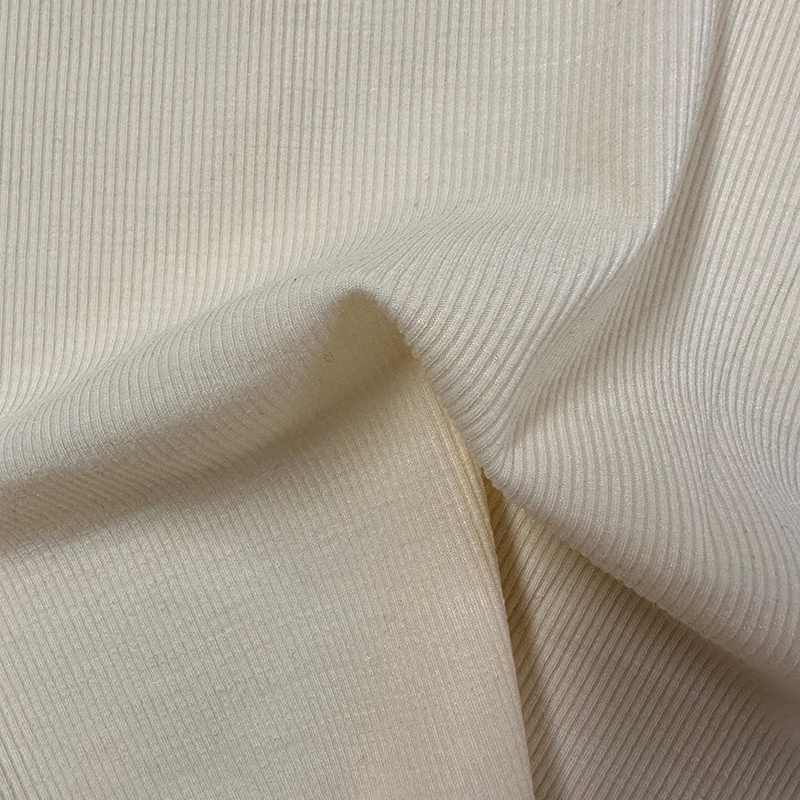
Why Nylon Wool Fabric is the Future of Sustainable Apparel
Why Nylon Wool Fabric is the Future of Sustainable Apparel Table of Contents 1. Introduction to Sustainable Apparel and Its Importance 2. Understanding Nylon Wool Fabric: A Comprehensive Overview 3. Environmental Benefits of Nylon Wool Fabric 3.1 Reduced Resource Consumption 3.2 Lower Carbon Footprint 4. Durability and Longevity: A Wise Investment 5. Versatility in Fashion Design 6. The Growing Po
2025-08-11 18:40
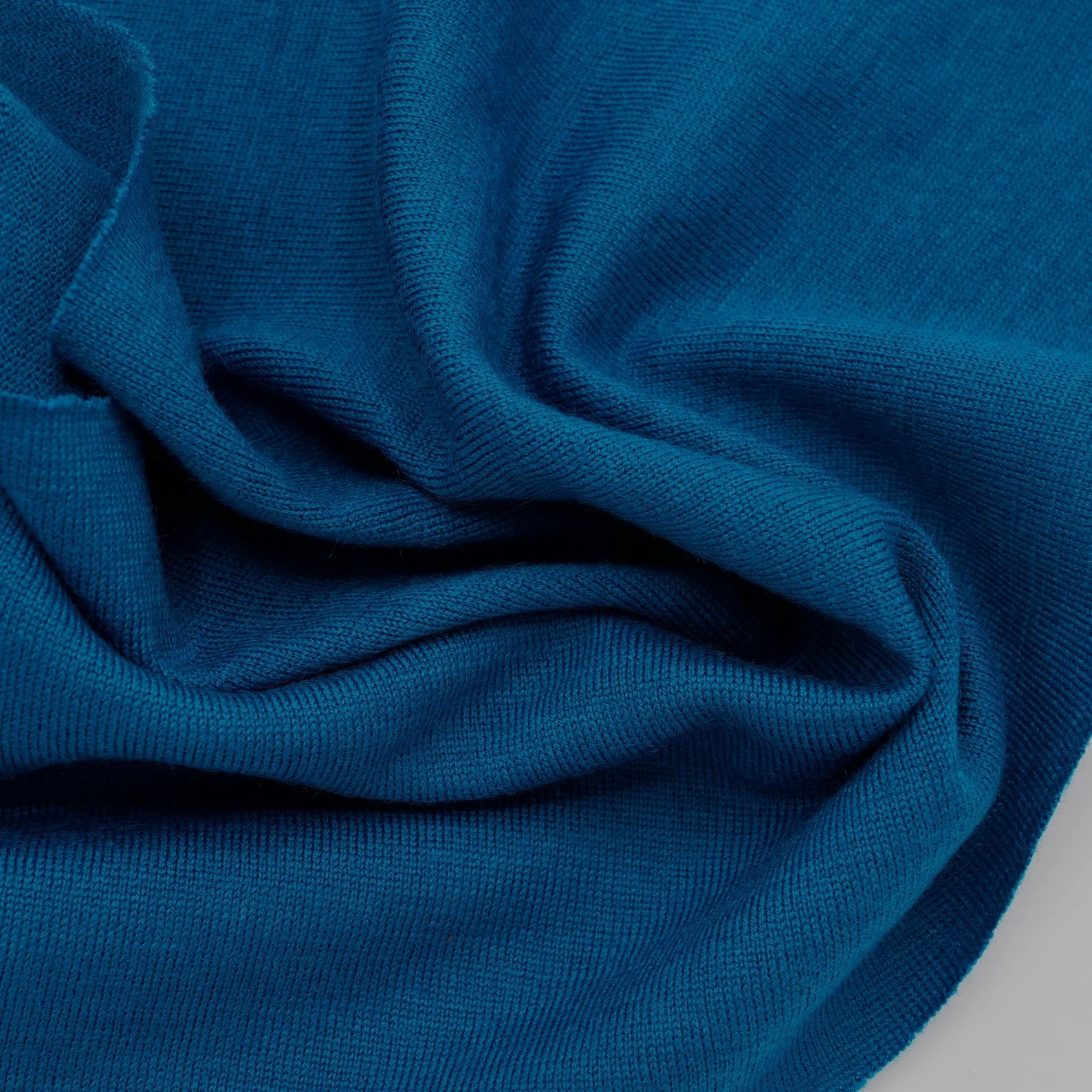
The Versatility and Benefits of Wool Fabric in Textile Industry
Wool fabric, derived from the fleece of sheep, is renowned for its unique properties that make it a highly sought-after material in the textile industry. Unlike synthetic fibers, wool is a natural fiber that possesses a range of advantages, contributing to its enduring popularity among designers and manufacturers. One of the most significant attributes of wool fabric is its excellent thermal regul