 Esperanto
 Shqiptare
 Euskara
 Zulu
Zulu
 Latinus
 Cymraeg
 தமிழ்
தமிழ்
 Slovak
 Slovak
 Afrikaans



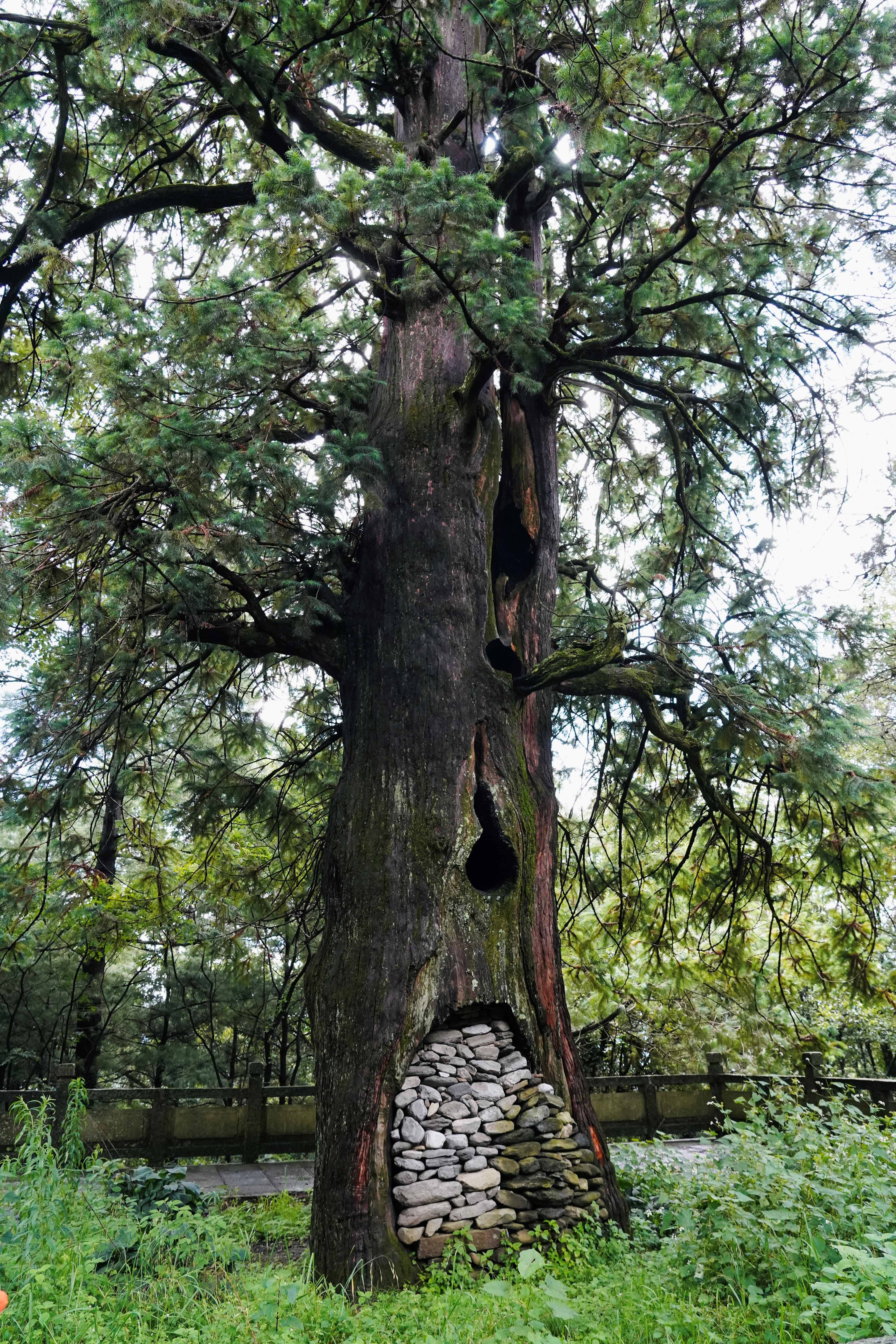
Exploring the Versatility and Benefits of Knitted Wool Fabrics
Release time:
2025-08-07
Source:
One of the primary features of knitted wool fabric is its structure. Unlike woven fabrics, which are created by interlacing threads, knitted fabrics are formed by interlocking loops of yarn. This unique construction gives knitted wool its characteristic stretchiness, allowing it to fit snugly and comfortably around the body. The elasticity of the fabric makes it an ideal choice for garments that require freedom of movement, such as sweaters, socks, and activewear.
Wool itself is a natural fiber known for its excellent thermal properties. It can regulate body temperature by providing warmth in cold conditions and breathability in warmer environments. This inherent ability makes knitted wool fabrics suitable for a wide range of climates, enhancing the comfort of the wearer. Moreover, wool is naturally moisture-wicking, meaning it can absorb moisture without feeling wet. This property is particularly advantageous for activewear and outdoor clothing, where sweat management is essential.
Another significant attribute of knitted wool fabric is its durability. The fibers are resilient and can withstand the rigors of daily wear and tear, making it a long-lasting option for various applications. Additionally, wool has a natural resistance to dirt and odors, which can be beneficial for garments that see regular use. This durability combined with ease of care makes knitted wool a practical choice for consumers seeking both performance and longevity in their clothing.
In terms of aesthetics, knitted wool fabrics offer a rich texture and can be produced in a wide array of patterns and colors. This versatility enables designers and manufacturers to create unique and stylish garments that appeal to diverse consumer tastes. Whether it's a chunky knit for cozy winter apparel or a fine gauge for delicate layering pieces, knitted wool can cater to varying design needs.
Sustainability is an increasingly important consideration in the textile industry, and knitted wool fabrics stand out in this regard. Wool is a renewable resource, as sheep produce new fleece each year. Additionally, the ability of wool to biodegrade at the end of its life cycle further enhances its appeal as an eco-friendly material.
In conclusion, knitted wool fabric is a multifaceted textile that combines comfort, durability, and style. Its unique properties make it suitable for various applications, from casual wear to performance apparel. As the textile industry continues to evolve, knitted wool remains a timeless choice that meets the needs of both consumers and designers alike.
knitted wool fabric
Related News
2025-08-21 19:00
Why Nylon Wool Fabric is the Future of Sustainable Apparel
Why Nylon Wool Fabric is the Future of Sustainable Apparel Table of Contents 1. Introduction to Sustainable Apparel and Its Importance 2. Understanding Nylon Wool Fabric: A Comprehensive Overview 3. Environmental Benefits of Nylon Wool Fabric 3.1 Reduced Resource Consumption 3.2 Lower Carbon Footprint 4. Durability and Longevity: A Wise Investment 5. Versatility in Fashion Design 6. The Growing Po
2025-08-11 18:40
The Versatility and Benefits of Wool Fabric in Textile Industry
Wool fabric, derived from the fleece of sheep, is renowned for its unique properties that make it a highly sought-after material in the textile industry. Unlike synthetic fibers, wool is a natural fiber that possesses a range of advantages, contributing to its enduring popularity among designers and manufacturers. One of the most significant attributes of wool fabric is its excellent thermal regul