 Esperanto
 Shqiptare
 Euskara
 Zulu
Zulu
 Latinus
 Cymraeg
 தமிழ்
தமிழ்
 Slovak
 Slovak
 Afrikaans



Exploring the Versatility and Benefits of Knitted Wool Fabric
Release time:
2025-04-09
Source:
Knitted wool fabric is a remarkable textile that combines the natural properties of wool with the flexibility and elasticity of knit construction. Unlike woven fabrics, knitted fabrics are made by interlocking loops of yarn, which creates a stretchy and breathable material. This unique structure offers numerous benefits that make knitted wool fabric a popular choice in various applications, from fashion to home textiles.
One of the most significant advantages of knitted wool fabric is its warmth. Wool fibers have a natural crimp, creating an insulating layer of air that helps retain body heat. This makes knitted wool fabric an excellent choice for cold-weather clothing, such as sweaters, scarves, and hats. Additionally, wool is inherently moisture-wicking, drawing sweat away from the body while allowing it to evaporate, which keeps the wearer comfortable in various conditions.

Another appealing characteristic of knitted wool fabric is its durability. The elasticity provided by the knit structure allows the fabric to stretch and recover without losing shape. This resilience makes knitted wool an ideal material for items that require longevity, such as activewear and outerwear. Furthermore, wool has natural resistance to dirt and stains, making it easier to maintain compared to other textiles.
Sustainability is increasingly becoming a crucial factor in the textile industry. Knitted wool fabric is often considered a more sustainable option compared to synthetic fibers. Wool is a renewable resource, as sheep produce new fleece annually. Additionally, when sourced from ethical farms, wool can be produced with minimal environmental impact. Many consumers are now seeking knitted wool products that align with their values, promoting environmental consciousness and responsible fashion choices.
Knitted wool fabric also exhibits a beautiful texture and aesthetic appeal. The versatility of knit patterns allows for an endless variety of designs, from intricate cable knits to simple garter stitches. This flexibility means that knitted wool can be used for both casual and formal garments, enhancing the wearer's wardrobe with unique styles.
In terms of care, knitted wool fabric generally requires gentle washing methods to preserve its integrity. Hand washing or using a wool-specific cycle on a washing machine is recommended, along with the use of appropriate detergents. Proper care can extend the life of knitted wool products, making them a wise investment for consumers.
In conclusion, knitted wool fabric stands out due to its warmth, durability, sustainability, and aesthetic versatility. With its ability to meet the demands of today's consumers seeking both functionality and style, knitted wool fabric remains a staple in the textile industry. Whether for fashion or functional applications, the appeal of knitted wool continues to grow, making it an essential material worth exploring.
knitted wool fabric
Related News
2025-08-21 19:00
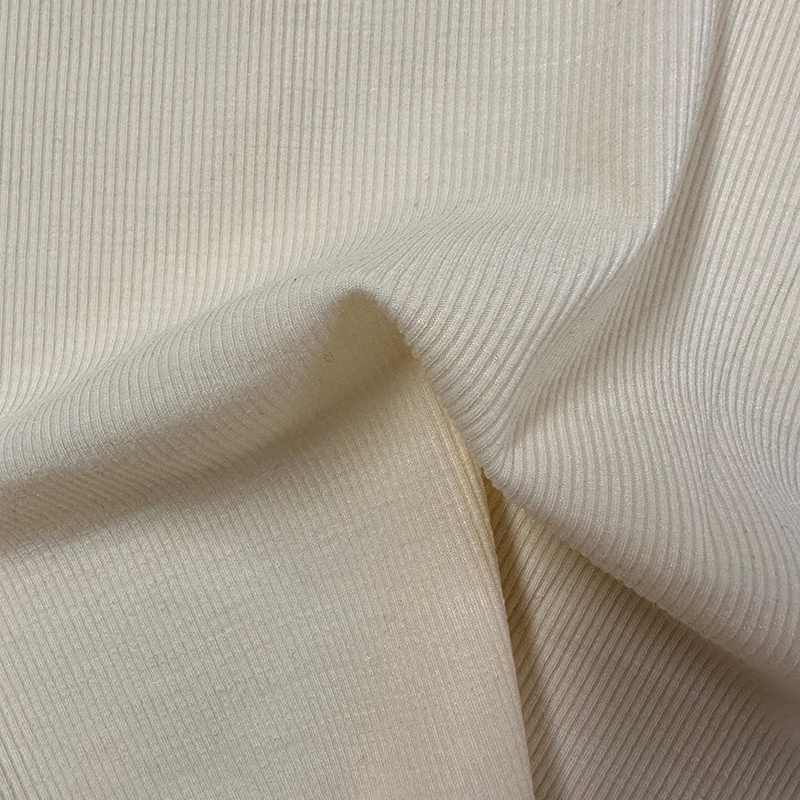
Why Nylon Wool Fabric is the Future of Sustainable Apparel
Why Nylon Wool Fabric is the Future of Sustainable Apparel Table of Contents 1. Introduction to Sustainable Apparel and Its Importance 2. Understanding Nylon Wool Fabric: A Comprehensive Overview 3. Environmental Benefits of Nylon Wool Fabric 3.1 Reduced Resource Consumption 3.2 Lower Carbon Footprint 4. Durability and Longevity: A Wise Investment 5. Versatility in Fashion Design 6. The Growing Po
2025-08-11 18:40
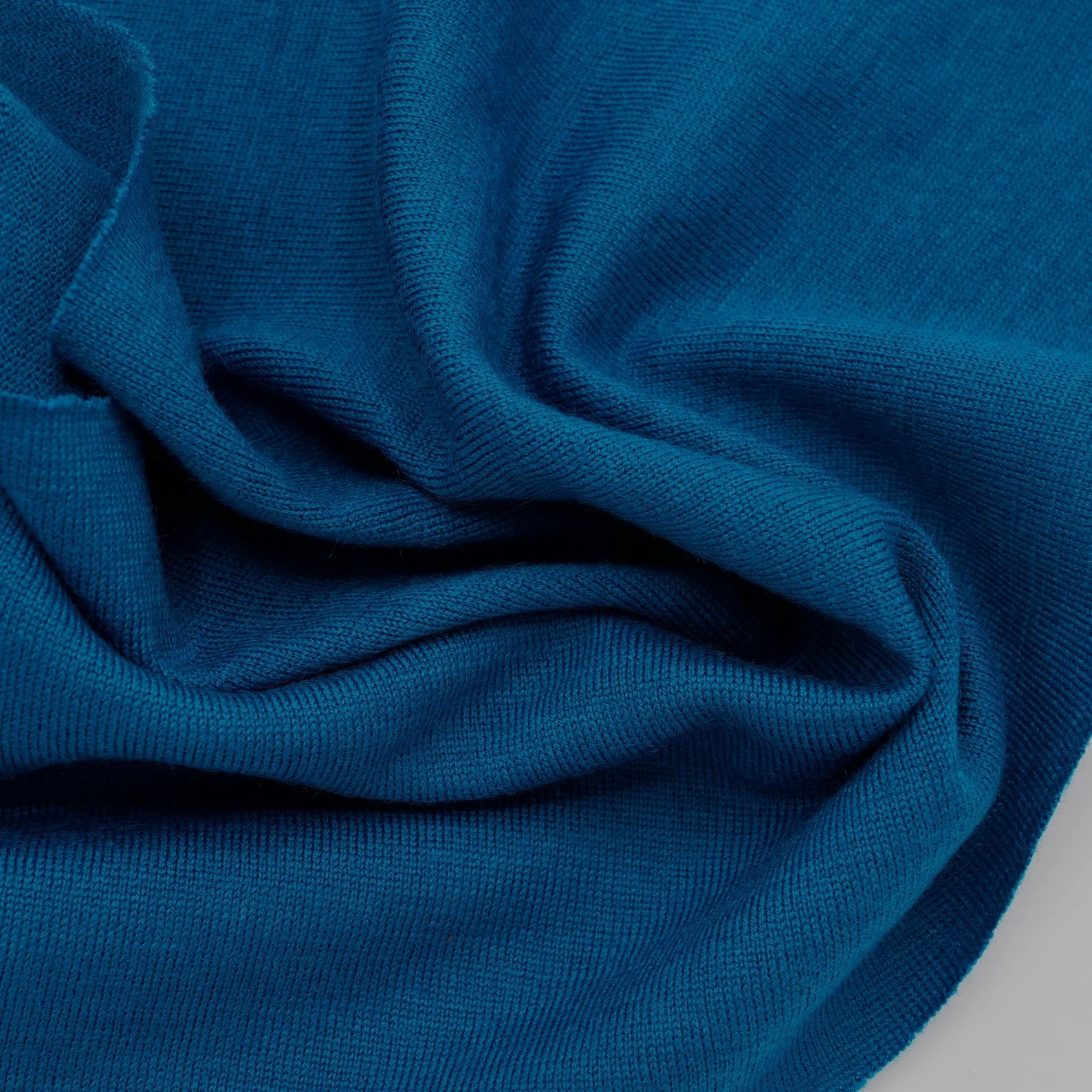
The Versatility and Benefits of Wool Fabric in Textile Industry
Wool fabric, derived from the fleece of sheep, is renowned for its unique properties that make it a highly sought-after material in the textile industry. Unlike synthetic fibers, wool is a natural fiber that possesses a range of advantages, contributing to its enduring popularity among designers and manufacturers. One of the most significant attributes of wool fabric is its excellent thermal regul