 Esperanto
 Shqiptare
 Euskara
 Zulu
Zulu
 Latinus
 Cymraeg
 தமிழ்
தமிழ்
 Slovak
 Slovak
 Afrikaans



Dressing Smartly: The Essential Role of Men’s Thermal Base Layers for Cold Weather Comfort
Release time:
2024-11-27
Source:
Dressing Smartly: The Essential Role of Men’s Thermal Base Layers for Cold Weather Comfort
As the chill of winter sets in, maintaining warmth without sacrificing style becomes a challenge for many men. **Men’s thermal base layers** have emerged as a vital part of winter wardrobes, providing an indispensable solution to cold-weather dressing. In this article, we delve into the role of thermal base layers, exploring their benefits, types, and how to style them effectively for various occasions.
Understanding Thermal Base Layers: What Are They?
Thermal base layers are specially designed garments worn close to the skin to retain heat while wicking moisture away from the body. They act as the first line of defense against cold weather and are typically made from materials such as polyester, wool, or a blend of synthetic fabrics. These layers are crucial in keeping you warm during outdoor activities or everyday wear.
The Functionality of Thermal Base Layers
1. **Heat Retention:** The primary purpose of thermal base layers is to trap body heat. The snug fit of these garments creates a barrier that insulates the body, preventing warmth from escaping.
2. **Moisture Management:** Unlike regular cotton layers, thermal materials wick moisture away from the skin, helping to keep you dry and comfortable. This is especially important for activities that cause perspiration.
3. **Breathability:** High-quality thermal base layers promote airflow, which helps regulate body temperature. This prevents overheating during physical exertion while ensuring warmth when inactive.
The Benefits of Wearing Thermal Base Layers
Investing in men’s thermal base layers comes with a plethora of advantages. Here are some reasons to incorporate them into your winter attire:
Enhanced Comfort
Thermal base layers are designed to fit snugly without restricting movement. This comfort makes them ideal for layering under regular clothing or wearing alone during casual outings.
Versatility in Dressing
These garments are available in various styles, including long-sleeve shirts, short-sleeve tees, and bottoms. This versatility allows men to mix and match thermal layers with different outfits, ensuring they remain stylish regardless of the weather.
Protection Against Extreme Weather
For those who spend prolonged periods outdoors—whether for work or recreation—thermal base layers provide essential protection against the elements. They minimize the risk of hypothermia and frostbite in extremely cold conditions.
Different Types of Men’s Thermal Base Layers
When it comes to thermal base layers, there are several types tailored to various needs and preferences. Understanding these distinctions can help you make an informed choice.
1. Lightweight Thermal Layers
Lightweight thermal layers are perfect for milder winter days or for those who prefer minimal bulk. They are often made from thin, moisture-wicking materials, making them suitable for layering under dress shirts or casual tops.
2. Midweight Thermal Layers
Midweight thermal base layers offer a balance between warmth and breathability. They are ideal for moderate exercise and can easily transition from outdoor adventures to casual gatherings.
3. Heavyweight Thermal Layers
For extreme cold, heavyweight thermal layers provide maximum insulation. These are perfect for outdoor activities like skiing or snowboarding, where staying warm is crucial.
4. Compression Thermal Layers
Compression thermal layers are designed to fit tightly against the skin, promoting blood circulation and enhancing muscle performance during physical activities. They are excellent for athletes engaged in winter sports.
Styling Tips for Thermal Base Layers
Wearing thermal base layers doesn’t mean compromising on style. Here are some tips to ensure you look fashionable while staying warm:
Layering Strategically
When styling thermal base layers, **start with the right foundation**. Choose a lightweight thermal shirt as the first layer, followed by a stylish sweater or fleece jacket. Finish with a fashionable outer layer like a parka or a tailored coat.
Choosing the Right Colors
Opt for neutral or muted tones for your thermal base layer to ensure versatility. Dark colors are excellent for hiding stains, while lighter shades can brighten up your winter wardrobe.
Accessorizing Wisely
**Accessories like scarves, hats**, and gloves can enhance your overall winter look. Choose accessories that complement your thermal base layer without overwhelming it. A pop of color in your scarf can add personality to your outfit.
Footwear Choices Matter
The right footwear ties your entire look together. Consider insulated boots for outdoor activities and stylish leather shoes for more formal settings. Make sure your footwear complements your thermal layers.
When to Wear Men’s Thermal Base Layers
Men’s thermal base layers can be worn in a variety of situations. Here are some scenarios where they prove particularly beneficial:
Outdoor Adventures
Whether hiking, skiing, or simply taking a winter walk, thermal base layers provide the necessary warmth to keep you comfortable during outdoor activities.
Casual Gatherings
Layering a thermal base layer under a stylish jacket or sweater is perfect for casual outings with friends or family during colder months.
Work Attire
If your job involves outdoor work, wearing thermal base layers under your uniform or work attire can help maintain warmth throughout the day without compromising professionalism.
Maintenance Tips for Longevity
Proper Washing Techniques
Always follow the washing instructions on the label. Most thermal fabrics should be machine washed in cold water and air-dried to maintain their shape and performance.
Avoid Fabric Softeners
**Fabric softeners** can break down the moisture-wicking properties of thermal materials. Instead, use a gentle detergent designed for performance fabrics.
Storage Recommendations
Store your thermal base layers in a cool, dry place. Avoid folding them in a way that creases the fabric, as this can minimize their effectiveness.
Frequently Asked Questions (FAQs)
1. What materials are best for men’s thermal base layers?
The best materials for thermal base layers include polyester, merino wool, and blends that provide moisture-wicking and insulation properties.
2. Can I wear thermal base layers as everyday clothing?
Absolutely! Thermal base layers are versatile enough to be worn under regular clothes or as standalone tops during casual outings.
3. How do I choose the right size for thermal base layers?
When selecting thermal base layers, opt for a fit that is snug but not restrictive. Refer to the sizing chart provided by the brand for accurate measurements.
4. Are thermal base layers suitable for exercising?
Yes, thermal base layers are excellent for exercising in cold weather. They provide warmth while allowing for freedom of movement and moisture management.
5. How often should I replace my thermal base layers?
Replace thermal base layers when they show signs of wear, such as fabric pilling, loss of elasticity, or reduced moisture-wicking ability. With proper care, high-quality thermal wear can last several seasons.
Conclusion
In conclusion, **men’s thermal base layers** are an essential investment for anyone looking to navigate the winter months comfortably and stylishly. Their ability to provide warmth, manage moisture, and offer versatility makes them invaluable to any wardrobe. By understanding the types available and how to style them effectively, you can ensure that you stay warm while looking your best. Embrace the winter season by incorporating these smart layers into your daily attire, and enjoy the outdoors without the fear of the cold.
famous Blended Merino Wool Mans Thermal Base Layer
Related News
2025-08-21 19:00
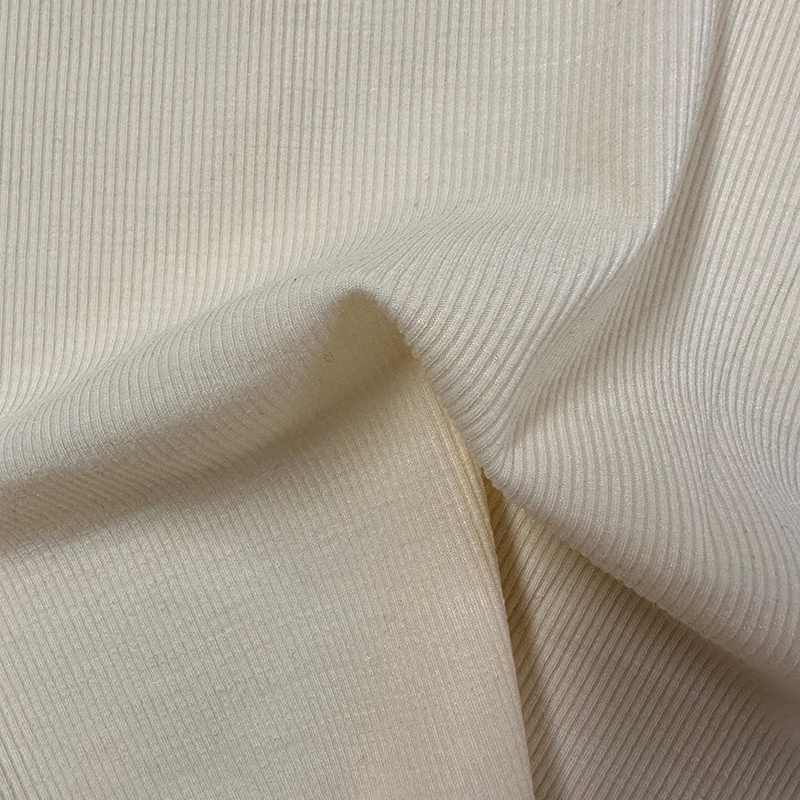
Why Nylon Wool Fabric is the Future of Sustainable Apparel
Why Nylon Wool Fabric is the Future of Sustainable Apparel Table of Contents 1. Introduction to Sustainable Apparel and Its Importance 2. Understanding Nylon Wool Fabric: A Comprehensive Overview 3. Environmental Benefits of Nylon Wool Fabric 3.1 Reduced Resource Consumption 3.2 Lower Carbon Footprint 4. Durability and Longevity: A Wise Investment 5. Versatility in Fashion Design 6. The Growing Po
2025-08-11 18:40
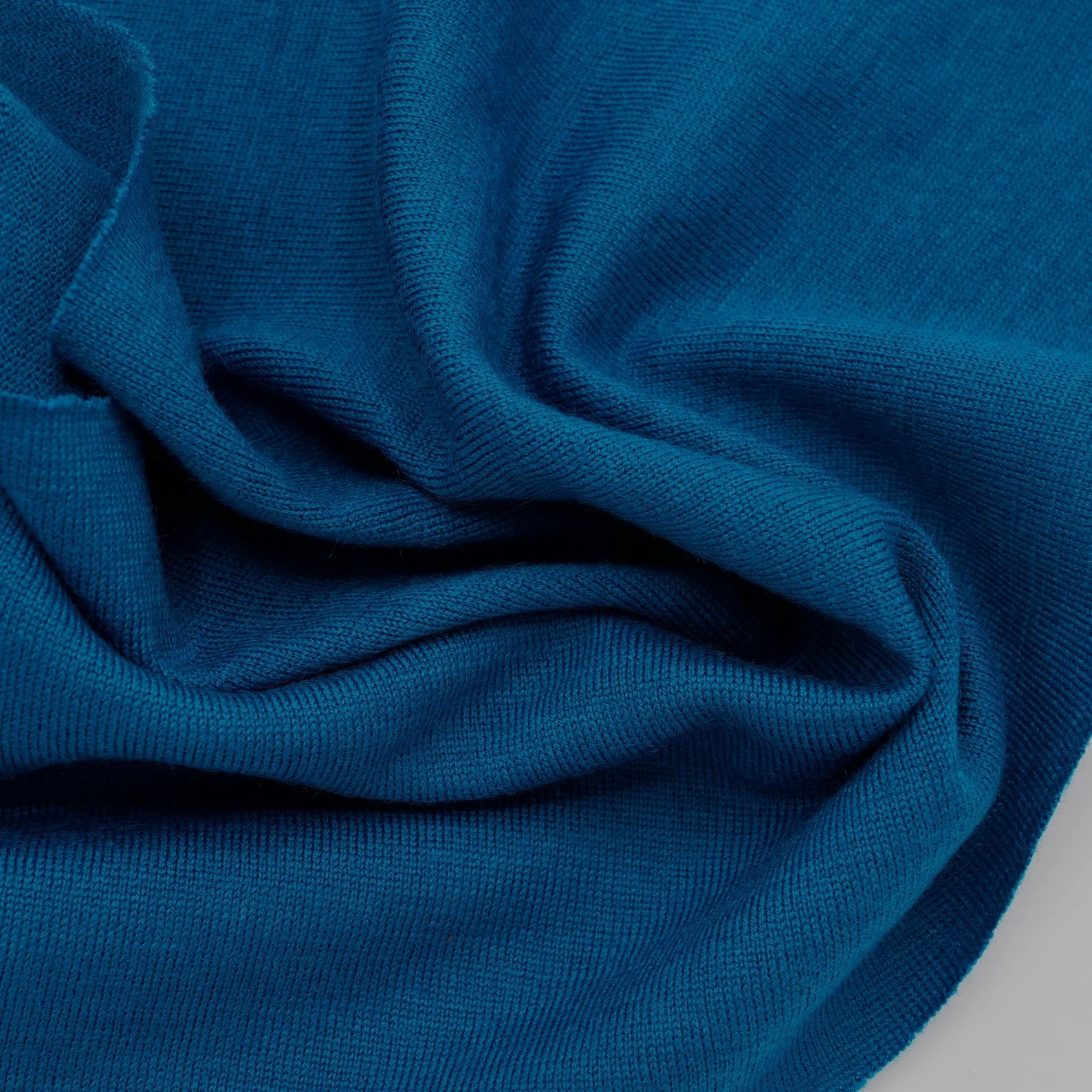
The Versatility and Benefits of Wool Fabric in Textile Industry
Wool fabric, derived from the fleece of sheep, is renowned for its unique properties that make it a highly sought-after material in the textile industry. Unlike synthetic fibers, wool is a natural fiber that possesses a range of advantages, contributing to its enduring popularity among designers and manufacturers. One of the most significant attributes of wool fabric is its excellent thermal regul