 Esperanto
 Shqiptare
 Euskara
 Zulu
Zulu
 Latinus
 Cymraeg
 தமிழ்
தமிழ்
 Slovak
 Slovak
 Afrikaans



Exploring the Benefits and Production of Merino Based Layers from Single Fabric Factories
Release time:
2024-11-28
Source:
Single fabric factories focus on producing specific textile types, allowing for a streamlined manufacturing process. This specialization contributes to higher quality control standards, ensuring that each Merino base layer meets stringent specifications. The unique properties of Merino wool, combined with the precision techniques employed by these factories, result in products that can effectively regulate body temperature, keeping the wearer warm in cold conditions and cool when temperatures rise.
One of the critical advantages of Merino based layers is their moisture management. The natural fibers of Merino wool can absorb a significant amount of moisture while still feeling dry against the skin. This feature is particularly beneficial for individuals engaging in physical activities, as it helps to prevent overheating and discomfort. Moreover, the breathable nature of Merino wool allows for excellent airflow, further enhancing comfort during strenuous activities.
In addition to comfort and performance, the sustainability aspect of Merino wool cannot be overlooked. Many single fabric factories are adopting eco-friendly practices, such as sourcing wool from responsible farms that prioritize animal welfare and land management. By choosing Merino based layers produced in these facilities, consumers can support sustainable practices within the textile industry.
Furthermore, the durability of Merino wool is another selling point. Unlike many synthetic fabrics, Merino wool is naturally resilient, meaning that garments made from this material can withstand the rigors of outdoor adventures and repeated washings without losing their shape or function. This longevity not only benefits the consumer but also reduces waste in the textile industry, aligning with modern values of sustainability.
In conclusion, the advantages of Merino based layers produced in single fabric factories extend beyond mere comfort and aesthetics. These textiles represent a blend of innovation, sustainability, and performance, catering to the needs of active individuals who value quality and environmental responsibility. As the demand for high-functioning fabrics continues to rise, Merino wool remains at the forefront, supported by the expertise of specialized fabric manufacturers. Embracing Merino based layers is not only a choice for personal comfort but also a step towards a more sustainable future in the textile industry.
Merino Based Layer Single fabric factories
Related News
2025-08-21 19:00
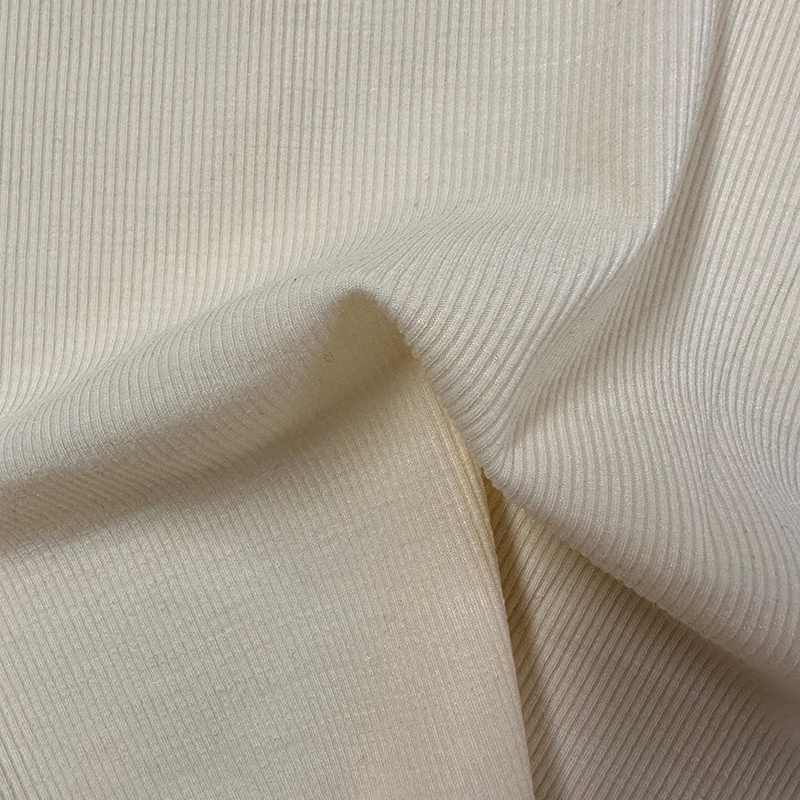
Why Nylon Wool Fabric is the Future of Sustainable Apparel
Why Nylon Wool Fabric is the Future of Sustainable Apparel Table of Contents 1. Introduction to Sustainable Apparel and Its Importance 2. Understanding Nylon Wool Fabric: A Comprehensive Overview 3. Environmental Benefits of Nylon Wool Fabric 3.1 Reduced Resource Consumption 3.2 Lower Carbon Footprint 4. Durability and Longevity: A Wise Investment 5. Versatility in Fashion Design 6. The Growing Po
2025-08-11 18:40
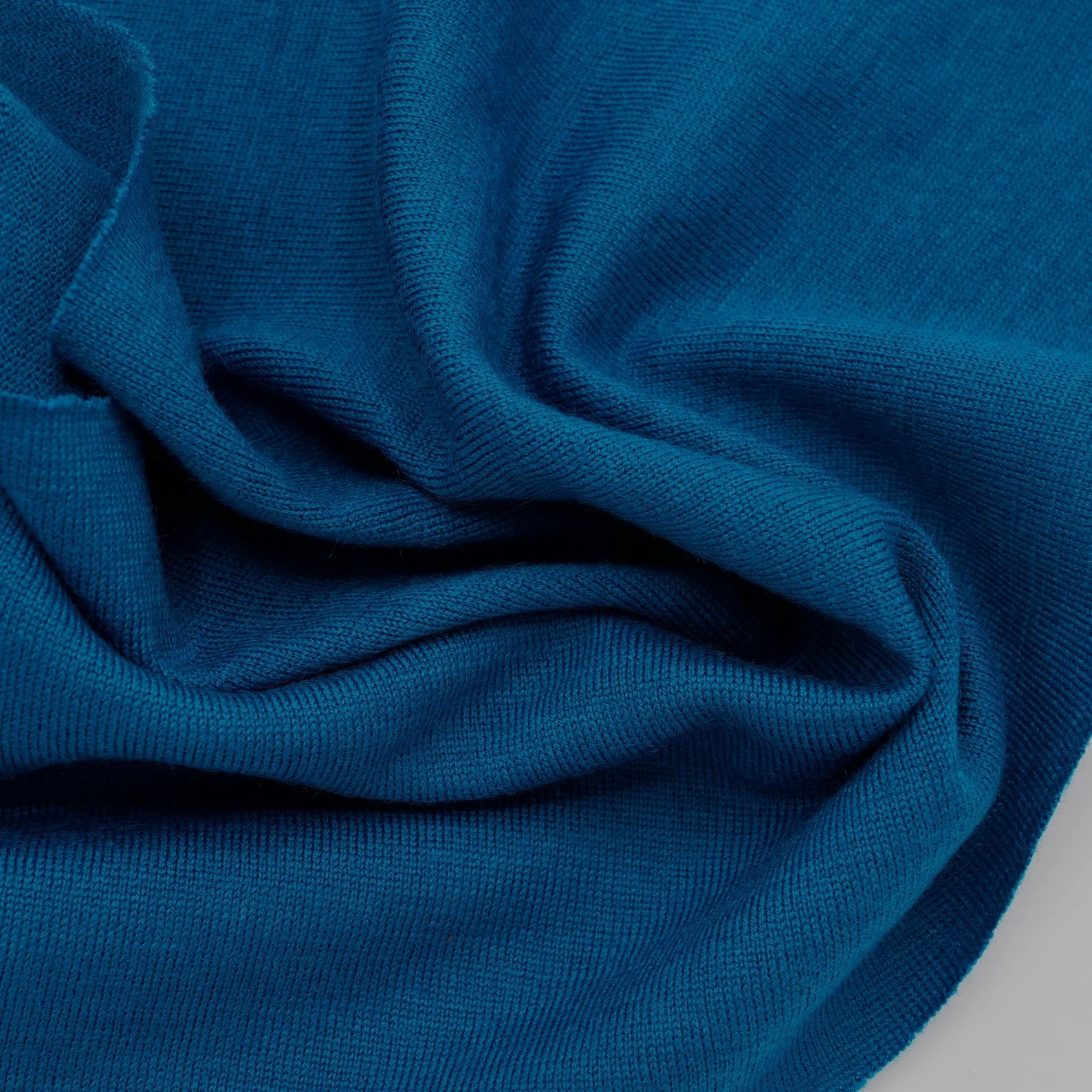
The Versatility and Benefits of Wool Fabric in Textile Industry
Wool fabric, derived from the fleece of sheep, is renowned for its unique properties that make it a highly sought-after material in the textile industry. Unlike synthetic fibers, wool is a natural fiber that possesses a range of advantages, contributing to its enduring popularity among designers and manufacturers. One of the most significant attributes of wool fabric is its excellent thermal regul